Dental Emergency Plano TX Checklist for Patients
A dental emergency rarely arrives at a convenient hour. It shows up during school pickup, halfway through lunch, late at night, or right before an important meeting. When it does, people usually feel two things at once, pain and uncertainty. The pain gets attention fast. The uncertainty causes the mistakes.
I have seen patients wait too long because they hoped the tooth would “settle down.” I have also seen the opposite, people rush to the emergency room for a broken filling that really needed a dentist, not a hospital. A practical checklist helps because it replaces panic with decisions. If you know what to do in the first ten minutes, you protect the tooth, reduce swelling, and improve the chances of a smoother visit once you reach the dental office.
For patients looking for help with a Dental Emergency Plano TX situation, the most useful information is simple, specific, and realistic. You need to know whether the problem is truly urgent, how to manage it at home for a short time, what to avoid, and when a hospital makes more sense than a dental office.
What counts as a true dental emergency
Not every dental problem is an emergency, but many are urgent enough that same-day attention matters. A severe toothache that keeps you from eating or sleeping deserves prompt care. So does facial swelling, a knocked-out tooth, uncontrolled bleeding, or a broken tooth with sharp exposed edges and nerve pain.
The distinction usually comes down to risk. Is the problem likely to worsen quickly, threaten the tooth, interfere with breathing or swallowing, or suggest infection spreading beyond the tooth itself? If the answer is yes, you should not take a wait-and-see approach.
A lost filling, mild sensitivity to cold, or a small chip without pain may not require immediate treatment that hour, but it still needs professional evaluation soon. Tiny cracks can deepen. Temporary fixes from the drugstore have their place, but they are bridges, not solutions.
Parents often ask whether children’s dental emergencies are different. They are, mostly because symptoms can escalate fast and kids do not always explain what hurts. A swollen gum around a child’s tooth, trauma after sports, or a tooth that changes color after a fall should be taken seriously. The treatment path may be different for baby teeth versus permanent teeth, but the urgency can be just as real.
The first five minutes matter more than most people think
When something happens to a tooth, the body responds quickly. The gums swell. A clot begins to form. Soft tissue gets irritated by heat, pressure, or repeated touching. This is why the smartest first response is usually calm, clean, and minimal.
Rinse gently with lukewarm water. Not hot water, not mouthwash with a burn to it, and not vigorous swishing. If there is bleeding, apply steady pressure with clean gauze. If swelling is visible, a cold compress on the outside of the cheek is often helpful in short intervals. Avoid lying flat if throbbing is intense, because pressure can feel worse that way.
One common error is taking aspirin and placing it directly against the gum or tooth. People still do this, usually because someone in the family once suggested it. Aspirin against the tissue can irritate or even burn the gum. Pain medicine belongs in the bloodstream, taken as directed, not pressed onto the sore spot.
Another mistake is testing the painful tooth over and over. Patients tap it, chew on it “just to see,” or suck air through their teeth to compare sides. Each time, the inflammation gets one more nudge. Once you identify the area, leave it alone except for gentle cleaning.
The patient checklist to follow before you leave home
Use this checklist when a Dental Emergency Plano TX problem happens and you are preparing to call or head to the office.
- Check for red flags first, especially trouble breathing, trouble swallowing, heavy bleeding that does not slow with pressure, or swelling spreading into the face or neck.
- Rinse the mouth gently with lukewarm water and remove any obvious debris without digging into the gums.
- Control bleeding with gauze or a clean cloth, and place a cold compress on the cheek if swelling or trauma is present.
- Save any broken tooth fragment, crown, bridge, or knocked-out tooth, and bring it with you in a clean container.
- Call the dental office, describe the symptoms clearly, and follow the instructions you are given rather than improvising with home remedies.
This seems basic, but under stress, basic is exactly what people forget. The point of a checklist is not sophistication. The point is preventing avoidable damage while you arrange care.
Knowing when to call a dentist and when to go to the ER
The question comes up constantly, especially after hours. Dental offices treat teeth, gums, oral pain, infections related to teeth, and many trauma cases. Hospital emergency rooms are essential when the issue crosses into broader medical danger.
If you have significant facial swelling, fever with worsening oral pain, pus drainage with a bad taste in the mouth, or severe pain that suggests infection, a dentist is still often the right first call. Many offices reserve time for these cases because timing matters. An abscess can start as a tooth problem and then move into surrounding tissue. Delaying for a day or two can turn a manageable appointment into a much more complicated https://rentry.co/kmzftcta situation.
The ER becomes the better choice if swelling affects breathing or swallowing, if bleeding is heavy and persistent, if the jaw may be fractured, or if there has been major trauma involving the head or face. Dental pain with chest pain, dizziness, confusion, or signs of severe dehydration also falls outside routine dentistry.
This is where judgment matters. Patients sometimes assume the ER can solve any tooth issue immediately. In reality, emergency departments can stabilize medical danger, manage severe pain, and address spreading infection concerns, but they often do not perform definitive dental treatment. That still happens in a dental setting. If the problem is primarily a tooth and you are medically stable, a dentist is usually the most direct path to relief.
Toothaches are common, but they are not all the same
A toothache can mean decay, a cracked tooth, a failing filling, a gum infection, an abscess, grinding-related inflammation, or even referred pain from the sinus. The exact cause matters because two patients can describe “sharp pain” and need very different treatment.
Pain that lingers after hot or cold often points toward inflamed nerve tissue inside the tooth. Pain on biting may suggest a crack, an abscess, or irritation around the root. Throbbing pain that wakes you up at night and feels worse when you lie down often deserves quick attention because pressure is building. Sensitivity that lasts only a second can be less urgent, but it should still be checked if it persists.
At home, focus on keeping the area clean, avoiding very hot, very cold, sugary, or hard foods, and taking over-the-counter pain medication only as directed and only if it is medically appropriate for you. People with stomach ulcers, kidney disease, liver disease, blood thinner use, or certain medical conditions should not guess with medication choices. If you are unsure, call your physician or pharmacist, or ask the dental office what information they need from you before making recommendations.
One practical detail that helps the office triage your case faster is the quality of the pain. Instead of saying only “it hurts,” describe when it hurts, whether swelling is present, whether you can point to one tooth, whether temperature triggers it, and whether the pain has been getting worse over hours or days. Those details often determine whether you need to be seen immediately.
If a tooth gets knocked out
This is one of the few situations where minutes can make a real difference to the long-term outcome. A permanent tooth that is knocked out has the best chance if handled correctly and seen promptly.
Pick the tooth up by the crown, which is the chewing part you normally see in the mouth. Do not scrub the root. If it is dirty, rinse it briefly with clean water. In some situations, a dentist may advise you to place it back into the socket right away if it is a permanent tooth and you can do so safely. If that is not possible, the tooth should be kept moist and brought in immediately. A dry tooth is a problem. Time matters here more than with almost any other dental injury.
A baby tooth is different. Parents should not try to force a baby tooth back into place after it has been knocked out. That can injure the developing permanent tooth underneath. The child still needs prompt evaluation, especially if there was lip trauma, gum bleeding, or concern that a fragment was inhaled or swallowed.
I have seen families do a great job with this because they acted quickly and resisted the urge to overclean the tooth. I have also seen well-meant damage from wrapping the tooth in a dry tissue and setting it on the car dashboard. Good intentions are not enough. Proper handling is what protects the remaining living cells on the root surface.
Chipped, cracked, or broken teeth
A chipped tooth is not always an emergency in the dramatic sense, but it should never be ignored. Small chips can cut the tongue or cheek. Larger breaks may expose the nerve, and then pain can move from annoying to severe very quickly.
A crack is often trickier than a visible break because the tooth can look normal while hurting intensely. Patients describe pain that comes and goes, especially when chewing or releasing a bite. Those cases can be hard to diagnose without an exam, and they are easy to underestimate at home.
If part of a tooth breaks, save the fragment if you can find it. Rinse gently. Avoid chewing on that side. If the edge is sharp, dental wax from a pharmacy may help protect the tongue for a short period. If there is significant pain, swelling, or visible pink or red tissue inside the tooth, the need for same-day care goes up.
One of the hardest calls for patients is deciding whether a crack can wait until morning. If the pain is escalating, the tooth feels high when you bite, or swelling is developing, waiting tends to make the next day worse, not easier.
Lost fillings, loose crowns, and broken dental work
These are common reasons people search for emergency care, and they sit in a gray zone. Some are urgent. Some are inconvenient. A lost filling on a back tooth with no pain may hold overnight. A loose crown on a front tooth before a public event feels urgent for a different reason. A fallen crown with exposed tooth structure that is very sensitive to air or temperature can become a genuine same-day need.
If a crown comes off, keep it. Do not throw it away because it may still be usable depending on the condition of the tooth and the crown itself. Clean it gently and bring it in. Over-the-counter temporary dental cement can sometimes help for a short interval if the office advises it, but household glue should never go in the mouth. It creates more work, more irritation, and sometimes more damage than patients realize.
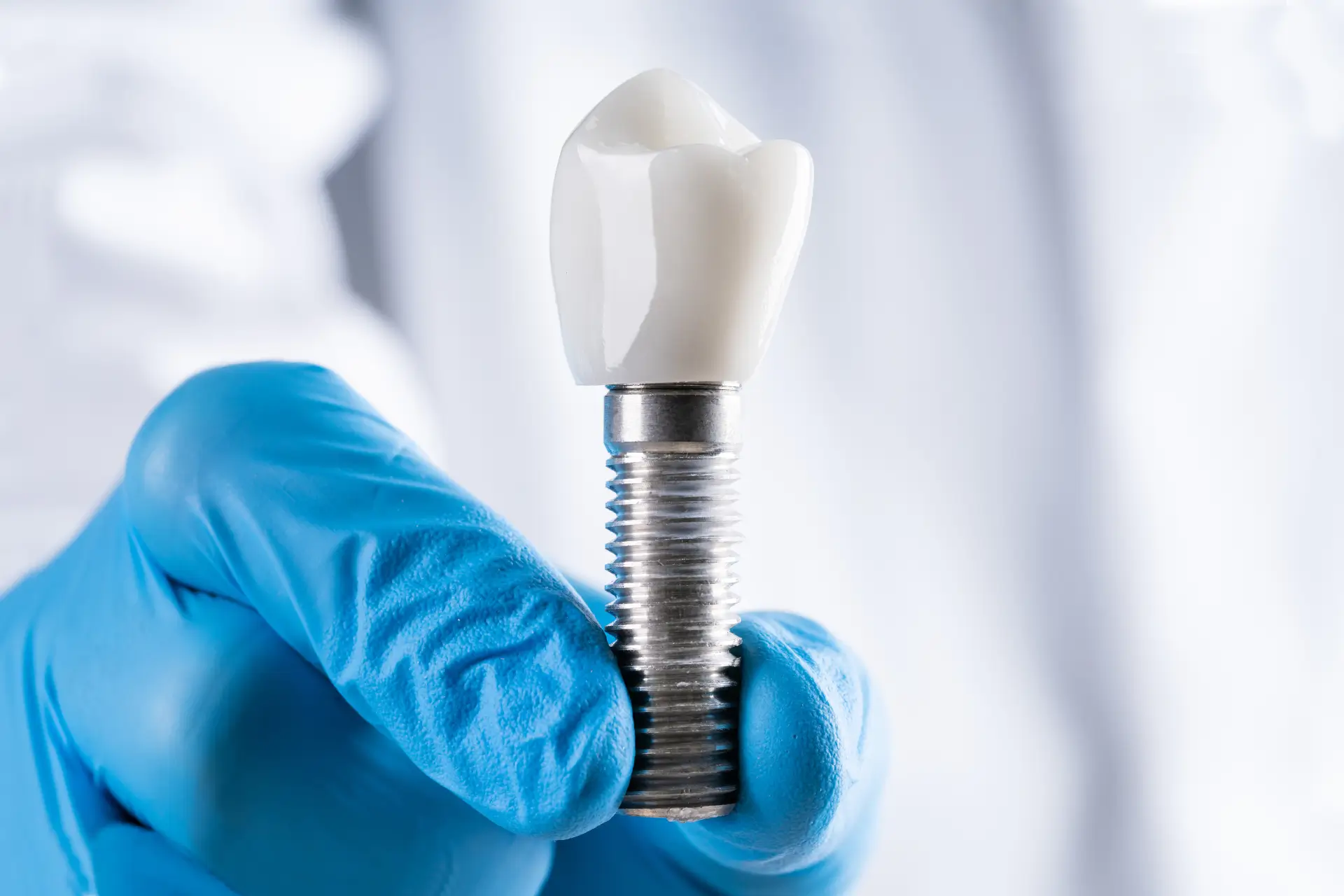
Bridges, dentures, and implant parts create their own category of emergency. A broken denture may not be painful, but if it leaves sharp acrylic edges or prevents normal eating for an older adult, it can quickly affect nutrition and comfort. A loose implant crown is worth prompt evaluation because repeated movement can complicate the repair.
Swelling and infection deserve respect
Many people minimize dental infections because the problem began in a tooth. Teeth are small. The surrounding anatomy is not. Once infection spreads into facial spaces, the stakes change.
Warning signs include increasing swelling, fever, a foul taste from drainage, pain that seems to pulse, tenderness under the jaw, and difficulty opening the mouth. In some cases the first obvious sign is not pain but facial asymmetry. Someone looks in the mirror and notices that one cheek is larger than the other. That should not be ignored.
Antibiotics are not always the complete answer. They may be necessary in some cases, but many dental infections also need drainage, root canal treatment, extraction, or other direct treatment to remove the source. Patients sometimes feel better for a day or two and then assume the issue has resolved. It has not. A temporary improvement can mask a problem that will flare again, often at the worst possible moment.
For anyone dealing with a suspected Dental Emergenc issue involving swelling, the safest approach is to get direct professional advice quickly rather than trying to self-diagnose by searching symptoms online at midnight.
What to have ready when you call the office
A good emergency call saves time because the team can prepare for what you need. Most offices will ask similar questions, even if the wording changes.
- Your symptoms, when they started, and whether they are getting worse.
- Any swelling, bleeding, fever, trauma, or broken tooth involved.
- What you have taken for pain, including timing and dosage.
- Your medical conditions, allergies, and any blood thinner use.
- Whether you have the tooth, crown, filling, or broken fragment with you.
This is not paperwork for paperwork’s sake. If a patient says, “My face is swelling and I can’t open very wide,” that tells the team something very different from, “My filling fell out yesterday and cold water stings.”
Small decisions that make a big difference on the way in
If you are heading to the appointment, do not eat a heavy meal unless the office tells you it is fine. Some emergency visits turn into procedures, and numbness or sedation planning may matter. Bring identification, insurance information if you have it, and a list of medications if you take several regularly. If you are in significant pain or if facial swelling is present, having someone else drive can be wise.
Parents should bring details about how the injury happened if a child was involved. Sports trauma, playground falls, bicycle accidents, and collisions all create different patterns of injury. A lip cut with dental trauma may also mean a tooth fragment is embedded in the soft tissue, something the dentist will want to consider.
Adults often forget to mention clenching or grinding habits, but those details can matter, especially when a cracked tooth or jaw soreness is involved. The more clearly the office understands the story, the more efficiently care tends to go.
After-hours emergencies in Plano
After-hours dental problems are frustrating because symptoms often worsen at night. Blood flow changes, fewer distractions make pain feel louder, and pharmacies may have limited hours. For a Dental Emergency Plano TX case outside standard office times, your best move is still to contact a local dentist first if you are medically stable. Many practices have voicemail instructions, on-call coverage, or a process for urgent triage.
If you cannot reach a dentist and your condition is crossing into medical danger, especially swelling that affects your airway, significant trauma, or uncontrolled bleeding, do not delay hospital care. The key is matching the setting to the risk. A toothache can usually wait a few hours for the right provider. A compromised airway cannot.
One practical note for families in Plano is travel time. Even a short drive feels long when someone is in pain. That is another reason to call before leaving, confirm where you are going, and ask whether there is anything specific you should do with a knocked-out tooth, loose crown, or bleeding site before arrival.
Preventing the next emergency
Not every emergency is preventable, but many are. The repeat patterns are familiar. Old fillings break because routine exams were postponed too long. Teeth crack because patients chew ice, grind at night, or ignore warning pain for months. Sports injuries happen without mouthguards. Gum infections worsen because swelling was tolerated until it became impossible to ignore.
Prevention is less glamorous than emergency treatment, but it is cheaper, easier, and far less painful. If you have a tooth that occasionally zings when you bite, a crown that has felt loose twice this year, or wisdom tooth swelling that comes and goes, you are looking at tomorrow’s emergency trying to introduce itself early.
The best emergency checklist, honestly, starts before the emergency. Keep your dentist’s number saved. Know which family members take blood thinners or have medication allergies. Have gauze, a cold pack, and a basic pain reliever at home if medically appropriate for you. For athletes, add a properly fitted mouthguard. Those simple steps change how manageable a bad day becomes.
Dental emergencies are stressful, but they are easier to handle when you know what matters most, stay calm, and act with purpose. Protect the area, avoid common mistakes, call promptly, and choose the right setting for the level of risk. That is the difference between a painful surprise and a problem that gets under control quickly.
Vitality Dental
Address: 1220 Coit Rd #106, Plano, TX 75075
Phone number: +19726454100
FAQ About Dental Emergency Plano TX
What can the ER do for a tooth?
An emergency room (ER) can manage pain and treat severe infections with medication, but it cannot fix or pull a tooth.
What is considered a dental emergency?
A dental emergency is any oral health problem that involves severe pain, uncontrollable bleeding, or an infection that threatens your health or requires immediate care to save a tooth.
Is there a 24-hour dental service in Plano, TX?
There is no physical dental clinic in Plano, Texas, that stays open with walk-in staff 24 hours a day, but several offices offer 24/7 phone support, late-night hours, or same-day emergency care.