Dental Emergency Plano TX: Early Signs of Serious Dental Trouble
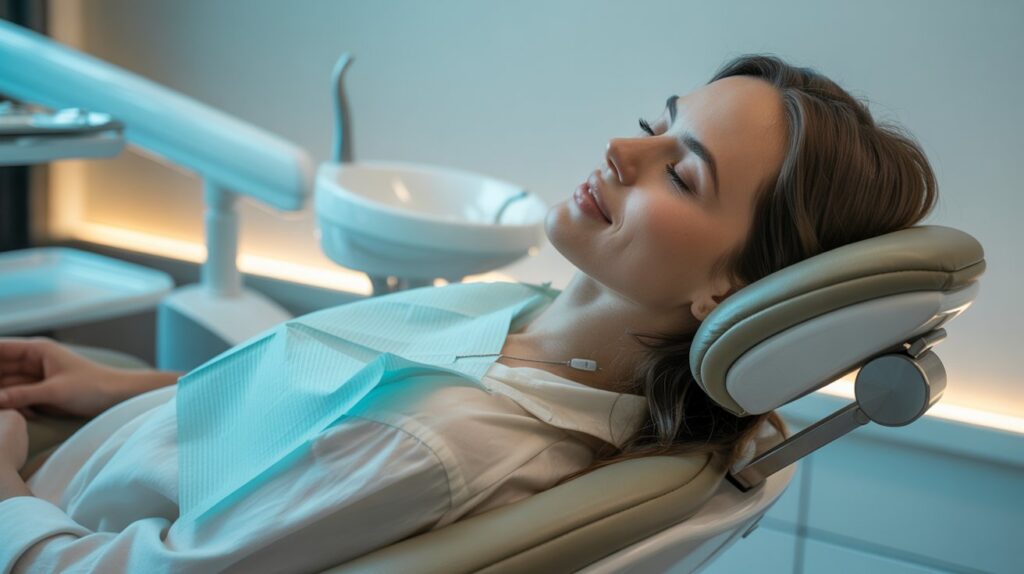
A true dental emergency rarely arrives with much warning, but the body often sends signals before the problem turns severe. The challenge is that many people dismiss those signals as minor irritation, a temporary sensitivity, or something that can wait until a more convenient week. By the time they call for help, a small crack has become a fractured tooth, gum swelling has spread, or a nagging ache has turned into a sleepless night.
In practice, the most serious dental problems often start quietly. A little tenderness while chewing. A gumline that looks puffy on one side. A tooth that suddenly feels different when cold water touches it. None of these symptoms guarantee disaster, but they do deserve attention. When patients in Plano delay care because the pain is not yet unbearable, they often end up needing more complex treatment than they would have if they had come in earlier.
Understanding what counts as urgent matters. So does knowing the difference between discomfort that can safely wait a day or two and symptoms that should move to the top of your schedule. If you are trying to judge whether you need same-day care, the clues below can help you make a smarter call.
Why dental emergencies get worse so quickly
The mouth is a small space with a lot happening at once. Teeth absorb heavy force. Gums and bone support those teeth under constant pressure. Bacteria are always present, even in healthy mouths. Once infection, trauma, or structural damage begins, things can change fast.
A cavity that reaches the inner pulp of a tooth can trigger inflammation and intense pain. A crack that seems minor can deepen every time you chew. Gum infection can spread into surrounding tissue. Swelling inside the mouth can become more than a comfort issue if it affects swallowing, breathing, or the ability to open the jaw.
This is one reason dentists tend to take certain symptoms seriously even when patients feel they may be overreacting. Dental pain is not always proportional to the actual damage. Some people have extensive decay with little pain, while others feel sharp symptoms very early. The better question is not whether the pain is dramatic enough to qualify as an emergency. The better question is whether there are signs of infection, structural failure, nerve involvement, or active trauma.
The toothache that should not be ignored
A mild toothache after biting down on something hard may settle on its own. A toothache that lingers, throbs, wakes you up, or worsens over several hours deserves prompt evaluation. Persistent pain usually means something is inflamed. That could be a deep cavity, an abscess, a cracked tooth, gum infection, or even pressure from grinding that has damaged the tooth structure.
One pattern worth watching is pain that comes in waves. Many patients describe it as a heartbeat inside the tooth. That kind of throbbing often points to significant inflammation or infection. Another common warning sign is pain that seems to radiate into the ear, jaw, or temple. It does not always mean the problem is spreading, but it does suggest the tooth or surrounding tissues are highly irritated.
I have seen patients wait on these symptoms because over-the-counter pain medicine seemed to help for a few days. Pain relief can mask severity. It does not solve the underlying issue. If a tooth only feels better because medication is reducing inflammation, the problem can still advance underneath.
Sensitivity that changes character
Many adults have some degree of temperature sensitivity, especially around receding gums or worn enamel. The more concerning situation is when sensitivity changes in a noticeable way. If a tooth suddenly reacts much more intensely to cold, or if discomfort lingers after the drink is gone, that shift matters. Heat sensitivity can be even more concerning, especially when a hot drink causes a deep ache.
Dentists often pay attention to how long the sensation lasts. Brief sensitivity may suggest exposed dentin or early irritation. Pain that hangs on for 10, 20, or 30 seconds after contact can indicate pulp involvement inside the tooth. That is not a diagnosis by itself, but it is a strong clue that the nerve tissue is under stress.
There is also a practical distinction between generalized sensitivity and one-tooth sensitivity. If one specific tooth starts reacting differently from the rest, that deserves a closer look. Patients can often identify the exact tooth by tapping it lightly with a fingernail or noticing a sharp zing on one side during brushing.
Swelling is never a trivial sign
Swelling in the gums, face, or jaw should always be taken seriously. In everyday life, people often underestimate swelling because it may not hurt much at first. In dental care, swelling can mean infection, and infection in the mouth can move into nearby spaces faster than many expect.
A puffy area over one tooth can indicate a localized abscess. Facial swelling near the cheek or jawline may mean infection has extended beyond the tooth itself. Sometimes patients notice a bad taste in the mouth or a small bump on the gums that seems to drain and then return. That recurring bump, often called a gum boil or fistula, is the body trying to release pressure from an infection source. It may reduce pain temporarily, but it does not mean the problem is resolving.
If swelling is increasing, especially over hours rather than days, that should push the situation into urgent territory. The same is true if swelling is accompanied by fever, fatigue, swollen lymph nodes, trouble https://paxtonafxr419.brightsora.com/posts/dental-emergenc-services-in-plano-tx-for-weekend-and-after-hours-needs swallowing, or difficulty opening the mouth.
A cracked tooth can hide in plain sight
Cracks are notoriously tricky. Some are obvious after a sports injury or a hard bite into ice. Others are hairline and invisible to the untrained eye, yet they cause intermittent pain that keeps getting worse. A classic description is pain on release, meaning the tooth hurts not when biting down, but when pressure comes off. Another clue is a random sharp jolt during chewing that disappears just as quickly.
The danger with cracks is that they can deepen under repeated force. A patient may think, reasonably enough, that if the tooth is not constantly painful it cannot be serious. Unfortunately, teeth do not heal from cracks the way skin does from a cut. Once the structure is compromised, time and pressure tend to make it less stable.
Molars are common trouble spots because they handle heavy chewing forces. Older fillings can also weaken the surrounding tooth. In Plano, where many adults juggle busy schedules, it is common to see people postpone care until a small fracture finally breaks a cusp or splits enough to expose the nerve. Earlier treatment often gives more options and a better chance of saving the tooth.
Bleeding that goes beyond routine brushing
A small amount of pink in the sink after aggressive flossing may not be an emergency. Spontaneous bleeding, ongoing bleeding after dental trauma, or bleeding tied to major swelling or pain is a different matter.
If a tooth is knocked loose, the tissues around it can bleed significantly. If gums bleed easily around one isolated area and there is noticeable swelling or pus, that can point to a local infection or periodontal abscess. Bleeding after an extraction can also become urgent if it does not slow with proper pressure.
The context matters. Bleeding with fever, severe pain, a bad odor, or visible tissue damage should not be brushed off. The mouth has an excellent blood supply, which helps healing, but it also means injuries can look dramatic and need proper management.
When bad breath signals more than a hygiene issue
Bad breath has many causes, some harmless and some not. Dry mouth, certain foods, sinus trouble, and routine plaque buildup can all play a part. The red flag is a foul taste or odor that appears suddenly and stays, especially if it is paired with swelling, pain, or discharge near a tooth or gumline.
Patients with dental abscesses often describe a metallic, bitter, or rotten taste that keeps returning. Sometimes they can press on the gum and notice fluid. That combination strongly suggests infection. It is not the sort of symptom to watch for a few weeks.
Chronic infection does not always produce dramatic pain. Some abscesses drain enough to relieve pressure, leaving only mild soreness and persistent bad taste. Those are easy to ignore and often become serious precisely because they seem tolerable.
A loose adult tooth is a major warning
Children lose teeth. Adults should not. When a permanent tooth starts feeling loose, there is usually a significant reason behind it. Trauma is one possibility. Advanced gum disease is another. A severe infection can also affect the supporting bone and ligament around a tooth, causing movement.
Patients often describe the tooth as feeling taller, different, or slightly out of line before they recognize it as loose. That sensation can happen when inflammation around the root changes how the tooth contacts the opposing teeth. Even subtle movement is worth prompt evaluation.
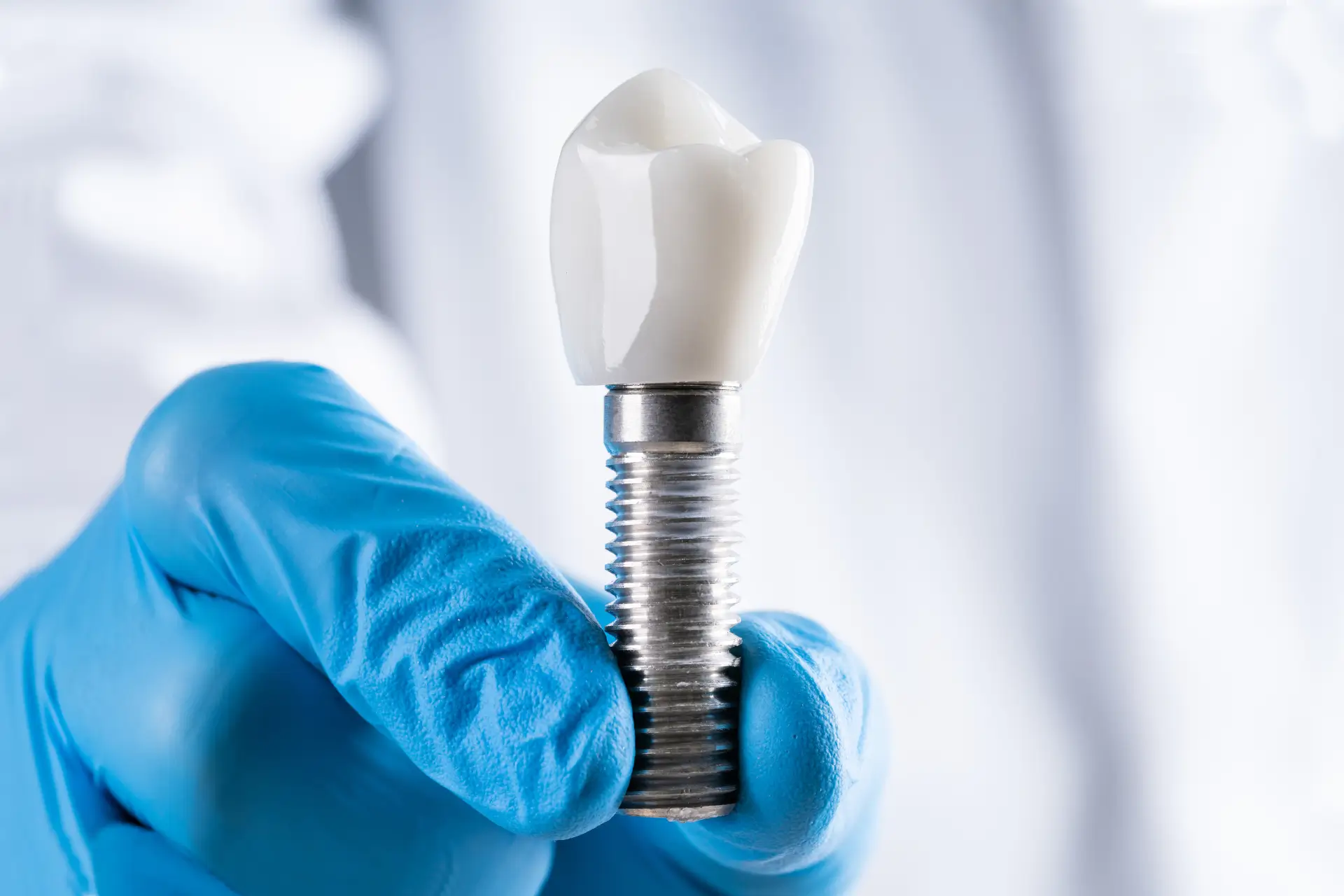
The same applies to dental crowns, bridges, or implants that suddenly feel unstable. The restoration itself may have loosened, or the tooth underneath may be compromised. Either way, waiting can convert a repair into a replacement.
Signs that need urgent or immediate attention
Some symptoms justify calling a dentist the same day. A smaller group means you may need emergency medical care as well, especially if breathing or swallowing becomes difficult.
Here are some of the clearest warning signs:
- Facial or gum swelling that is increasing, especially with fever or trouble swallowing.
- Severe tooth pain that does not improve or that wakes you from sleep.
- A knocked-out, fractured, or significantly loosened permanent tooth.
- Bleeding that does not stop after firm pressure.
- Pus, foul drainage, or a gum bump linked to pain or swelling.
If you are searching for a Dental Emergency Plano TX provider, these are the symptoms that generally should not wait for a routine appointment next week.
What to do in the first hour
The first steps at home do not replace treatment, but they can reduce harm while you arrange care. People sometimes make matters worse by placing aspirin directly on the gum, trying to glue a broken tooth back themselves, or delaying because the pain briefly subsides.
A safer short-term approach looks like this:
- Rinse gently with warm water to clear debris and help you see the area.
- Use a cold compress on the outside of the face if there is swelling or trauma.
- If a tooth is knocked out, hold it by the crown, not the root, and keep it moist in milk or saliva while seeking care immediately.
- Take over-the-counter pain medication as directed on the label, unless your physician has advised otherwise.
- Call a dentist promptly and describe the symptoms clearly, including swelling, fever, trauma, and how long the problem has been present.
One practical detail matters more than many realize. Be specific when you call. Saying “I have a toothache” may not convey urgency. Saying “my lower jaw is swollen, the pain is throbbing, and I have a bad taste in my mouth” gives the office a much clearer picture.
The difference between urgent care and watchful waiting
Not every dental problem needs immediate treatment the same day. A lost filling without pain may wait briefly. Mild sensitivity after whitening may pass. A small chip on the edge of a front tooth can be annoying but not dangerous if there is no pain and no sharp edge cutting the lip.
That said, watchful waiting should be short and deliberate, not open-ended. If symptoms are improving within a day and there is no swelling, no fever, and no ongoing bleeding, a prompt but non-emergency appointment may be enough. If symptoms are worsening, spreading, or returning in cycles, the safer course is to treat it as urgent.
Judgment matters here. A patient with diabetes, immune suppression, recent cancer treatment, or a history of severe infections should be more cautious. The threshold for urgent dental care is lower when the body may not handle infection as well.
Children, older adults, and people who need extra caution
Children can struggle to describe dental pain accurately. Instead of saying a tooth hurts, they may avoid chewing, become irritable, wake at night, or stop wanting cold foods. Swelling in a child should be taken seriously and checked promptly. A baby tooth injury is different from a permanent tooth injury, but both deserve professional advice.
Older adults may have complex dental work, thinner enamel, dry mouth from medications, and more root exposure, all of which can change how symptoms appear. A cracked tooth under an old crown, for example, may present as vague pressure rather than sharp pain. It is easy to miss.
People with heart conditions, immune system concerns, or significant medical histories should also move faster when infection is possible. What starts as a local dental issue can have broader implications when the body is already under strain.
Why patients in Plano often wait too long
Busy communities produce a predictable pattern. Parents put their own care behind their children’s schedules. Professionals try to get through a workweek before addressing a tooth. College students go home for holidays rather than booking local care. Pain that comes and goes makes delay feel rational.
Then the timing shifts. The tooth flares on a Friday evening. Facial swelling starts overnight. Travel plans are about to begin. What could have been managed earlier with a simpler visit now demands urgent attention.
That is one reason the phrase Dental Emergency Plano TX matters beyond search results. In a growing area with active families, commuters, and packed calendars, people need practical local guidance. Dental emergencies rarely happen at convenient times, and early symptoms are easy to downplay when life is moving fast.
What a dentist is trying to determine
When you come in with an urgent problem, the dentist is usually sorting through a few central questions. Is there infection, and if so, how far has it spread? Is the tooth structurally salvageable? Is the pulp, the nerve tissue inside the tooth, irreversibly inflamed or infected? Are the gums and supporting bone involved? Is there trauma to surrounding teeth, jaw structures, or soft tissue?
The answers shape the next step. Sometimes treatment means draining infection and prescribing medication where appropriate. Sometimes it means root canal therapy, extraction, stabilizing a loose tooth, smoothing a fracture, or protecting a cracked tooth with a temporary solution until definitive care can be completed.
Patients often want a single rule for what counts as a Dental Emergenc, but real cases require nuance. A dull ache in one patient can reveal a major abscess. A dramatic chip in another may be mostly cosmetic. The pattern of symptoms, the examination, and often X-rays together tell the real story.
Prevention helps, but it does not eliminate risk
Even people with solid home care can end up with a dental emergency. Fillings age. Teeth crack. Sports injuries happen. Grinding at night creates stress that accumulates over years. Still, routine care lowers the odds of a sudden crisis because it catches the quieter stage of disease.
Regular exams can reveal decay before it reaches the nerve, detect failing restorations before they fracture, and uncover gum disease before teeth become mobile. Night guards can protect heavily worn teeth. Early treatment of grinding-related cracks can prevent catastrophic breaks later.
For many patients, the most useful preventive habit is not perfection with floss or brushing, though those matter. It is acting promptly when something changes. The mouth usually gives some notice. A tooth feels off. A gum area becomes tender. Cold sensitivity starts lingering. Those are the moments when timely care can save money, pain, and tooth structure.
The safest rule of thumb
If a symptom is new, localized, and getting worse, do not assume it will settle on its own. If there is swelling, fever, drainage, trauma, or a loose permanent tooth, seek care quickly. If you are unsure, call and describe what is happening in plain language. Most dental offices would rather help you judge urgency early than see you after the problem has escalated.
Serious dental trouble often starts with a small signal and a decision to wait. Catching those early signs can make the difference between a manageable repair and a far more difficult emergency.
Vitality Dental
Address: 1220 Coit Rd #106, Plano, TX 75075
Phone number: +19726454100
FAQ About Dental Emergency Plano TX
What can the ER do for a tooth?
An emergency room (ER) can manage pain and treat severe infections with medication, but it cannot fix or pull a tooth.
What is considered a dental emergency?
A dental emergency is any oral health problem that involves severe pain, uncontrollable bleeding, or an infection that threatens your health or requires immediate care to save a tooth.
Is there a 24-hour dental service in Plano, TX?
There is no physical dental clinic in Plano, Texas, that stays open with walk-in staff 24 hours a day, but several offices offer 24/7 phone support, late-night hours, or same-day emergency care.