Emergency Dentist Care for Fractured Fillings and Restorations
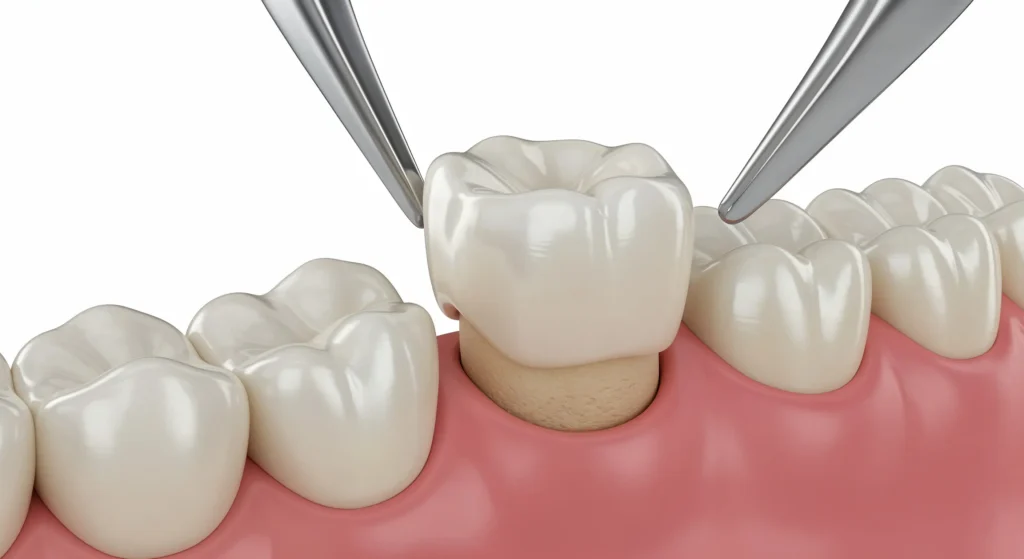

A broken filling rarely happens at a convenient time. It tends to show up in the middle of lunch, during a weekend trip, or late at night when something cold suddenly hits a tooth and you feel that unmistakable jolt. Patients often describe it the same way: the tooth had been “fine enough,” then one bite on crusty bread, a nut, or even a sticky caramel changed the situation in seconds.
Fractured fillings and damaged restorations sit in an awkward category. They are not always dramatic enough to feel like a classic dental emergency, yet they can turn into one quickly. A lost or cracked restoration leaves the tooth exposed, changes how your bite meets, traps bacteria and food debris, and sometimes opens a direct path to the nerve. That is why an Emergency Dentist treats this problem seriously, even when the pain is mild or intermittent.
In practice, the urgency depends less on whether the piece that broke was large or small and more on what has been exposed underneath. A chipped edge on an old filling may only create a rough spot and some sensitivity. A fractured crown on a root canal tooth can leave brittle tooth structure vulnerable to splitting below the gumline. A cracked filling in a molar that carries heavy chewing forces may be the first visible sign that the surrounding tooth has also cracked. Those details matter, and they affect whether the solution is a quick repair, a full replacement, or something more involved.
What actually breaks when a filling or restoration fails
Patients often use “filling” as a catchall term, but several different restorations can fracture or come loose. Composite fillings can chip, wear down, or debond from the tooth. Older amalgam fillings may crack the surrounding cusps over time because the tooth has been weakened or because the metal filling expands and contracts differently than enamel. Crowns can fracture, especially porcelain surfaces, or the cement seal can fail and let the crown loosen. Inlays, onlays, veneers, and bonding can also detach or crack.
The failure itself is not always the main event. In many cases, the restoration breaks because the tooth beneath it has changed. Decay may have developed along the margin. A heavy grinding habit may have overloaded the area for years. A bite that lands too hard on one cusp can concentrate force in a very specific spot. Large restorations also have a lifespan. A filling placed years ago in a tooth that already had a lot of structure removed simply does not behave the same way as a small filling in a healthy tooth.
One of the more common clinical patterns involves a patient who says, “Only the filling broke.” On examination, the problem is larger. A cusp has sheared off with it. There is a vertical crack line. Food has been packing into the area for months. The decay is not new, but the fracture finally made it obvious. That is why self-diagnosis tends to underestimate the seriousness of these cases.
Why timing matters more than many people realize
A fractured restoration creates two problems at once. The first is mechanical. The tooth is no longer evenly supported, so normal chewing can drive the crack further. The second is biological. Saliva, bacteria, and temperature changes reach areas that were previously sealed.
Sometimes the first twenty four to forty eight hours are deceptive. A patient loses a filling, feels a rough edge, but has little pain. Then the tooth becomes intensely sensitive to cold, then painful when biting, then throbs on its own. That progression usually means the pulp, the tissue inside the tooth, is becoming inflamed. Once inflammation escalates beyond a certain point, a simple replacement filling may no longer be enough. The treatment can shift to root canal therapy and a crown, or in the worst cases, extraction if the tooth fractures too deeply.
There is also the issue of neighboring teeth and soft tissue. A jagged broken margin can cut the tongue or cheek repeatedly. A lost crown can alter the bite just enough that the opposite tooth starts hitting harder than it should. A gap around a damaged restoration can trap fibrous foods and create localized gum swelling within days.
This is where an Emergency Dentist adds real value. The goal is not only pain relief. It is preserving options. Early intervention often keeps a repair straightforward and far less expensive than what follows if the problem is left open.
When fractured dental work becomes an urgent problem
Not every broken filling requires a midnight appointment, but some situations deserve same day or next day care. The difference is usually found in the symptoms and in how much tooth structure is involved.
Here are the signs that move the problem into emergency territory:
- Sharp or lingering pain with cold, heat, or biting.
- Visible loss of a large filling, crown, or part of the tooth.
- Swelling of the gum, face, or jaw near the tooth.
- A loose restoration that shifts when you bite or touch it.
- Bleeding, a deep crack line, or a piece broken off below the gumline.
A small chipped filling edge without pain can sometimes wait briefly, but only briefly. Once the surface is rough or open, the tooth is easier to damage further. I have seen seemingly minor defects turn into major fractures after one weekend of “being careful.”
What to do before you can get to the dental office
The hours between the break and the appointment matter. Good first aid will not fix the restoration, but it can reduce pain and prevent more damage.
If you are dealing with a fractured filling or restoration, take these steps:
- Rinse gently with warm water to clear food debris.
- Save any broken piece, if you can find it, and bring it with you.
- Avoid chewing on that side, especially hard, sticky, or very hot and cold foods.
- If an edge is sharp, cover it temporarily with dental wax or sugar free gum.
- Use an over the counter pain reliever if you normally tolerate it and follow the label.
There are also a few things not to do. Do not glue a crown back with household adhesive. Do not wedge aspirin against the gum. Do not keep testing the tooth by biting on it to “see if it still hurts.” That repeated pressure can turn a repairable crack into a nonrestorable split.
Temporary dental cement from a pharmacy can be useful in selected cases, especially if a crown has come off intact, but even then it is only a short bridge to professional care. If the tooth underneath is sensitive, decayed, or fractured, seating the crown back yourself may trap bacteria or place pressure where it should not be.
What an Emergency Dentist looks for during the visit
The emergency appointment is usually more detective work than people expect. The visible break is only part of the story. A careful exam helps answer several questions quickly.
First, is the tooth restorable? If enough healthy structure remains above the gumline, the answer is often yes. If the fracture extends deep below the gum or splits the root, the plan changes.
Second, is the pulp inflamed, infected, or still likely to recover? Dentists assess this through symptoms, cold testing, percussion, bite testing, and X rays. A tooth that is sharp with cold for a second or two behaves differently from a tooth that throbs spontaneously at 2 a.m. Or feels tall when you bite.
Third, is there decay under or around the restoration? This matters because simply replacing what fell out without addressing the underlying decay only delays the problem.
Fourth, is the bite contributing? Teeth do not break in isolation as often as people think. A high contact point, clenching, uneven wear, or a habit such as chewing ice can explain why a restoration failed when it did.
An experienced Emergency Dentist also pays attention to the age and size of the previous restoration. A tiny repair on a heavily restored molar is sometimes false economy. If the remaining tooth walls are thin, the more durable answer may be a crown or onlay rather than another large filling.
How treatment decisions are made in real time
Emergency care is often presented as a simple binary choice, fix it or pull it. The reality is more nuanced. The best treatment depends on how much of the original restoration is gone, how much sound tooth remains, whether the nerve is involved, and what kind of forces that tooth handles every day.
A small fracture in a composite filling may be repaired directly with bonding material if the margins are accessible and dry enough to seal properly. This is often efficient and conservative. If the break involves an old restoration with leakage, the dentist may remove the entire filling and rebuild it instead.
A lost filling in a moderate sized cavity can usually be replaced the same day if the tooth is dry, decay is manageable, and symptoms suggest the pulp is stable. If the cavity is very deep and the tooth is extremely sensitive, the dentist may place a sedative or protective temporary restoration first, then reassess once the nerve response settles.
Crowns create a different set of decisions. If a crown comes off intact and the tooth underneath is healthy, recementation may be enough. If the crown is cracked, the margin no longer fits, or decay has undermined the tooth, a new crown is more likely. If substantial tooth structure has fractured away with the crown, a core build up may be needed before a new crown can be made.
The gray area involves teeth that are structurally compromised but not hopeless. A large fractured amalgam case is a good example. The dentist may remove the broken filling and find that one cusp is cracked but salvageable. In that situation, replacing the tooth with another large filling may be possible, but it is not always wise. A bonded onlay or full crown often distributes force better and lowers the chance of another emergency six months later.
Temporary relief versus definitive repair
Patients sometimes feel frustrated when the emergency visit does not produce a “final” fix in one sitting. That frustration is understandable, but there are practical reasons. Some teeth are too inflamed, too difficult to numb, too infected, or too structurally uncertain for a permanent restoration on day one.
A temporary restoration can be the right call when the dentist needs to calm the tooth, monitor symptoms, or stabilize the area before more definitive treatment. Temporary materials are not just placeholders. Used well, they seal the tooth, reduce sensitivity, and buy time safely.
The key is understanding the trade-off. Temporary restorations are weaker, more porous, and more likely to wear or dislodge. They require caution with chewing and should not be treated as a long term solution. I have seen patients keep a temporary filling for months because it “felt fine,” only to return with recurrent decay or a larger fracture that could have been avoided.
The role of pain, and why pain level can mislead you
Pain is a poor measuring stick for damage. Some badly fractured teeth hurt very little because the nerve has already died or because the crack has not yet opened under function. Other teeth with relatively modest structural damage hurt intensely because the exposed dentin is highly sensitive.
That mismatch catches people off guard. A patient may call only after severe pain develops, assuming that mild discomfort was not serious. Another may rush in with sharp sensitivity from a lost filling and learn that the tooth is very fixable. The safest rule is simple: if a restoration breaks, the event itself justifies evaluation, even before major pain appears.
Biting pain deserves particular attention. When a tooth hurts on release rather than on pressure, dentists start thinking about cracked tooth patterns. Those cases can deteriorate quickly, especially in lower molars and upper premolars. Sometimes the restoration is only the visible casualty, while the tooth structure carries the real problem.
Why restorations fail in the first place
Fractured fillings and crowns are often framed as bad luck, but there is usually a reason. Wear accumulates. Materials fatigue. Bite forces exceed design limits. Oral chemistry changes. Cavities recur at margins. A restoration that functioned well for ten https://medium.com/@simpledentalsouthgate/about years may still fail suddenly in year eleven.
Teeth restored after root canal treatment are a classic example. They can feel normal because the nerve has been removed, but they are often more brittle and rely heavily on the integrity of the crown or filling. If that outer shell breaks, the remaining tooth may not give much warning before a major fracture occurs.
Night grinding is another common driver. Many patients do not realize they clench until the pattern shows up in chipped porcelain, flattened edges, abfractions near the gumline, or repeated failure of the same tooth. In these cases, fixing the restoration without addressing the force pattern invites repeat emergencies.
Diet and habits matter too. Frequent ice chewing, popcorn kernels, hard candy, and sticky sweets are frequent culprits. So are less obvious behaviors like holding nails, tearing open packages with teeth, or chewing only on one side because the other side already feels “different.”
What recovery usually looks like after emergency treatment
Most repaired or replaced restorations settle quickly, but some sensitivity during the first few days is normal, especially after a deep filling or if the tooth was inflamed beforehand. Cold sensitivity that gradually improves is common. Mild soreness when biting can happen after adjusting a high spot, but persistent bite pain should be rechecked promptly.
When a crown is recemented or a temporary is placed, patients usually need to be more careful with chewing until the definitive plan is completed. Sticky foods can pull at temporary cement. Very hard foods can fracture a provisional material or expose a weak cusp that has not yet been fully protected.
If root canal treatment becomes necessary, pain often drops significantly once the source of inflammation is addressed, but the tooth may still need full coverage afterward. This is a point many people miss. Eliminating pain is not the same as restoring strength. A symptom free tooth can still be vulnerable if too much structure has been lost.
Cost, durability, and the judgment call patients appreciate
One of the hardest parts of emergency dentistry is discussing treatment when the patient did not plan for the expense. Good care requires honesty. Sometimes the least expensive same day option is reasonable. Sometimes it is money spent on a repair that is unlikely to last.
Patients usually appreciate direct language when it is paired with clear reasoning. For example, a dentist might say that a bonded filling can patch the area and get you comfortable, but because the remaining cusp is thin and you grind, there is a real chance it will fail again. Or the dentist might explain that recementing a crown today is acceptable if the crown fits well and decay is absent, but a new crown will likely be needed soon because the margin is worn.
That kind of judgment is where experience matters. Emergency care is not just about speed. It is about choosing the right level of intervention for the tooth in front of you, the symptoms today, and the likely behavior of that tooth six months from now.
Preventing the next fracture
Prevention is rarely glamorous, but it is practical. Old restorations benefit from periodic review, especially if they are large, cracked, stained at the margins, or sitting in teeth with a history of sensitivity. Bite guards can dramatically reduce repeat fractures in grinders. Timely replacement of worn restorations often costs less than waiting for a break that takes tooth structure with it.
The patients who do best long term are not always the ones with perfect teeth. They are often the ones who respond early. They notice that a crown feels slightly loose, that a filling catches floss, that one corner of a molar now feels sharp, and they book the visit before the defect becomes a crisis.
Fractured fillings and restorations are common, but they are not trivial. A prompt visit to an Emergency Dentist can mean the difference between a smooth repair and a much larger problem. When the seal breaks, time starts to matter. Protect the tooth, get it assessed, and give yourself the best chance of keeping the repair simple and the tooth intact.
Simple Dental Vermont
Address: 8914 S Vermont Ave, Los Angeles, CA 90044
Phone number: +13239493000
FAQ About Emergency Dentist Los Angeles CA
What can the ER do for a tooth?
The emergency room can provide temporary symptom relief for a bad tooth, such as prescribing pain medicine or antibiotics, but it cannot fix the actual dental problem.
What is the 3-3-3 rule for tooth infection?
The 3-3-3 rule for a toothache or infection typically means taking three 200 mg ibuprofen tablets (600 mg total) three times a day for no more than three days to control pain and swelling while waiting to see a dentist.
What do you do if you have a dental emergency but no dentist?
If you have a dental emergency and no regular dentist, you should search for an urgent care dental clinic, call local walk-in dental offices, or go to a hospital emergency room if you have severe bleeding, swelling, or trouble breathing.