General Dentist Santa Clarita CA Advice for Protecting Tooth Enamel
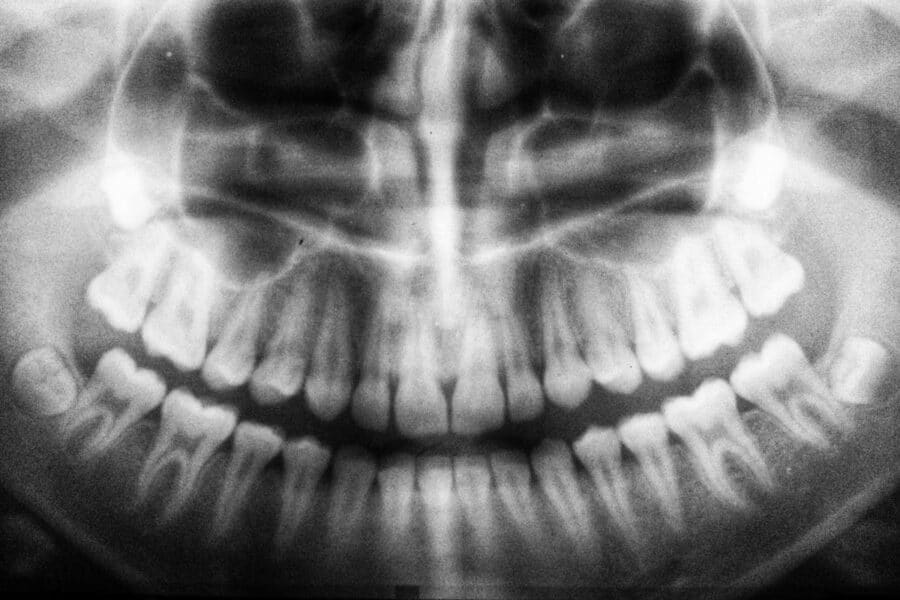

Tooth enamel does quiet work. It takes the pressure of chewing, shields the sensitive inner part of the tooth, and stands up to years of temperature changes, acids, and friction. Most people do not think about it until they notice sensitivity, yellowing, rough edges, or a chip that seemed to happen out of nowhere. By that point, the enamel has often been under strain for a long time.
A general dentist Santa Clarita CA patients trust will usually say the same thing early in the conversation: enamel does not grow back once it is gone. That fact shapes every sensible recommendation about prevention. You can strengthen and protect what you still have, and in many cases you can slow or stop further wear. But you cannot treat enamel like a cut on the skin that simply heals on its own.
That may sound discouraging, but it is actually useful. When people understand that enamel loss is cumulative, they tend to make better daily choices. The good news is that most damage develops from habits that can be adjusted. Sometimes the fix is straightforward, like changing how often you sip soda. Other times it takes a closer look at dry mouth, acid reflux, nighttime grinding, or an aggressive brushing style that has become second nature.
What enamel actually does, and why it wears down
Enamel is the hard outer shell of the tooth. It is the strongest substance in the human body, yet it is not indestructible. Strength and vulnerability can exist at the same time. Porcelain is hard too, but it still chips. Enamel works much the same way. It handles tremendous daily force, but repeated acid exposure, abrasion, and clenching can slowly break it down.
When enamel thins, the tooth often looks more yellow because the underlying dentin shows through. Teeth can become sensitive to cold drinks, sweets, or even air. Edges may look slightly translucent. Small grooves, flattened chewing surfaces, and tiny chips can appear. These changes rarely happen all at once. More often, they show up gradually, which is one reason people overlook them.
In practice, enamel loss usually comes from one of three forces. Acid dissolves minerals from the tooth surface. Friction wears that softened surface away. Impact and pressure, especially from grinding or clenching, create cracks and structural loss over time. Many patients have more than one factor at play. Someone may drink lemon water throughout the day, brush hard, and grind at night. Each issue alone might seem manageable, but together they can accelerate wear.
The everyday habits that do the most damage
The most common enamel problem in ordinary life is not a single dramatic event. It is repetition. Teeth are exposed to whatever you do consistently, whether that is beneficial or harmful.
Frequent snacking is a good example. Every time you eat or drink something acidic or sugary, the mouth becomes more acidic for a period of time. Saliva helps bring things back into balance, but if you are grazing all day, the teeth stay under attack far longer than many people realize. The issue is often frequency more than quantity. A single soft drink with a meal is generally less damaging than sipping one slowly over three hours.
Acidic beverages deserve special attention because healthy-sounding choices can still be rough on enamel. Sparkling water, citrus drinks, sports drinks, energy drinks, kombucha, vinegar-based wellness drinks, and wine can all contribute to erosion. Even plain lemon water, often seen as a harmless ritual, can become a problem when it is sipped repeatedly every day.
Then there is brushing technique. People are often surprised to hear that “brushing harder” is not the same as brushing better. A stiff brush, a heavy hand, and a horizontal scrubbing motion can gradually wear enamel near the gumline. If you combine that with recent acid exposure, the damage can happen faster because the tooth surface is temporarily softened.
Teeth grinding is another major factor, especially in adults under stress or people whose bite concentrates force in a few areas. Some patients do not know they grind until a partner hears it or a dentist points out flattened teeth, craze lines, and sore jaw muscles. In Santa Clarita, where many families juggle long commutes, packed schedules, and interrupted sleep, stress-related clenching is not unusual.
Early warning signs worth taking seriously
Enamel wear is easiest to manage when it is caught early. Small changes matter. They often tell a clearer story than pain does, since some people lose enamel for years before they develop significant discomfort.
Here are a few warning signs that should prompt a dental visit:
- Teeth feel sensitive to cold, sweets, or brushing.
- Front teeth look more transparent at the edges.
- Surfaces appear dull, smooth, or slightly scooped out.
- Small chips, flattened edges, or rough spots keep appearing.
- Teeth look more yellow even though they are clean.
None of these signs automatically means severe damage. Sensitivity, for example, can also come from gum recession or a cavity. But these are common clues that enamel is under stress and deserves professional evaluation.
Why timing matters after you eat or drink acidic foods
One piece of advice patients often remember is to wait before brushing after acidic drinks or meals. This recommendation is practical, not fussy. When enamel is exposed to acid, it softens temporarily. Brushing immediately can remove more of that softened surface. Waiting about 30 minutes, sometimes a little longer depending on the situation, gives saliva time to start neutralizing the acid.
This does not mean you should feel helpless after coffee, orange juice, or a glass of wine. Rinsing with plain water helps. Eating acidic foods with a meal rather than sipping or snacking on them over a long period usually helps as well. Sugar-free gum containing xylitol can stimulate saliva, which is useful for people whose mouths tend to stay dry.
I have seen this small timing change make a meaningful difference for patients who otherwise do many things right. They brush twice a day, use fluoride toothpaste, and keep regular cleanings, yet their enamel continues to wear. Often the missing detail is not what they are brushing with, but when they are brushing.
Fluoride, remineralization, and realistic expectations
People sometimes hear that teeth can “remineralize” and assume lost enamel can be rebuilt completely. The reality is more limited. Early microscopic softening can be strengthened by minerals in saliva and fluoride exposure. That is valuable, and it is one reason fluoride toothpaste matters. But once enamel has been physically worn away or dissolved enough to change the shape of the tooth, it does not regenerate in its original form.
That distinction matters because it separates prevention from repair. Fluoride can help harden vulnerable areas, reduce sensitivity, and slow progression. It cannot replace a chipped edge or reverse a crater caused by erosion.
https://www.google.com/maps?cid=11867611376950550291For many adults, a standard fluoride toothpaste is enough. For higher-risk patients, a dentist may recommend a prescription-strength fluoride toothpaste or in-office fluoride treatment. Those recommendations are usually based on the pattern of wear, cavity risk, dry mouth, orthodontic history, diet, and medications. The right plan should feel individualized rather than generic.
Dry mouth changes the equation more than most people expect
Saliva is one of enamel’s best natural defenses. It dilutes acids, delivers minerals, and helps clear food particles from the mouth. When saliva flow drops, enamel has less protection and the whole system becomes more fragile.
Dry mouth can happen for many reasons. Allergy medications, antidepressants, blood pressure medicines, sleep issues, mouth breathing, and dehydration all contribute. Some people in the Santa Clarita area notice dry mouth more during hot months, especially if they spend long hours outdoors, exercise intensely, or rely on coffee and energy drinks instead of plain water.
This is where dental advice has to be specific. Telling someone to “drink more water” is not wrong, but it is often incomplete. If dry mouth is severe, that person may also need a saliva substitute, xylitol products, fluoride support, or a medication review with their physician. Patients with persistent dry mouth tend to experience both enamel wear and a sharp increase in cavity risk, especially around the gumline.
When stomach acid is the hidden cause
Not all acid comes from food and drink. Sometimes it comes from the stomach. Acid reflux, chronic heartburn, and silent reflux can expose the teeth, especially the back surfaces of upper teeth, to repeated acid without the patient making the connection. Some people have no obvious burning sensation, but they notice a sour taste, chronic throat clearing, hoarseness, or enamel erosion that seems out of proportion to their diet.
This is one of those situations where a good dental exam can point to a larger health issue. A pattern of erosion may raise concern even before the patient has discussed reflux with a physician. The best care in that case goes beyond the mouth. Protecting the teeth matters, but so does addressing the source of the acid.
Bulimia and repeated vomiting can cause similar damage, often severe and surprisingly fast. That subject deserves sensitivity and privacy. The dental signs are real, and so is the need for compassionate medical support.
Not all “healthy” routines are tooth-friendly
A lot of enamel loss shows up in people who are trying very hard to take care of themselves. They drink apple cider vinegar for digestion, squeeze lemon into water all day, snack on dried fruit and nuts instead of chips, and brush vigorously because clean teeth feel reassuring. None of these habits is evil. The issue is cumulative effect.
Dried fruit is a classic example. It seems wholesome, and in some ways it is, but it is sticky and often clings to grooves in the teeth. Sports drinks are another. Many athletes assume they need them for every workout, when plain water would do the job for shorter sessions. Whitening products can also become part of the problem if they increase sensitivity and lead people to scrub harder or use abrasive products more often than directed.
The point is not to create fear around ordinary food. It is to see habits in context. A glass of orange juice with breakfast is different from carrying an acidic drink and taking tiny sips from morning to afternoon. A whitening toothpaste used as directed is different from layering multiple abrasive products because faster feels better.
Practical ways to protect enamel without making life miserable
Good enamel care does not require perfection. It requires consistency and a few smart adjustments that lower the amount of stress your teeth face each day.
A practical routine usually includes the following:
- Brush twice daily with a soft-bristled toothbrush and fluoride toothpaste.
- Floss or clean between teeth once a day to reduce plaque and acid-producing bacteria.
- Keep acidic drinks to mealtimes when possible, instead of sipping for hours.
- Rinse with water after acidic foods or drinks, then wait before brushing.
- Ask about a night guard if you clench, grind, or wake with jaw soreness.
Each of these habits works best when it is tailored. For one patient, the game changer is switching from a hard brush to an electric brush with pressure control. For another, it is finally treating reflux. For a teenager, it may be reducing sports drinks and sour candies. For a busy parent, it could be wearing a night guard consistently instead of only during stressful weeks.
Children, teens, and enamel risk at younger ages
Parents often assume enamel problems are mostly adult issues, but children and teens can develop wear patterns too. Sour candies, flavored sparkling waters, frequent juice, and sports drinks are major culprits. Orthodontic appliances can add another layer because food retention and plaque buildup increase around brackets and wires, raising the risk of decalcification.
Kids also tend to brush fast, miss spots, or use far too much pressure. Teenagers who bleach their teeth without guidance, often influenced by social media trends, may aggravate sensitivity and existing weak spots. The solution is not to lecture. It is to make prevention specific and easy to follow.
Sometimes that means changing what goes into the backpack every morning. Sometimes it means moving a child from a trendy charcoal product back to a standard fluoride toothpaste. Small changes are easier to sustain than dramatic rules.
What a dentist can do when enamel is already compromised
Prevention is ideal, but plenty of patients come in after sensitivity has started or visible wear is already present. A dentist’s job then is to figure out both severity and cause. If you only smooth a rough edge but ignore the reflux or grinding behind it, the damage continues.
Treatment depends on the pattern. Minor sensitivity may improve with fluoride varnish, desensitizing products, and behavior changes. Small chips or worn edges can often be restored with bonding, especially in front teeth. More advanced cases sometimes require onlays, crowns, or bite adjustment, particularly if the teeth have lost enough structure to affect chewing or appearance.
Night guards are often underappreciated. A well-made guard does not cure stress, but it can reduce the damage done by grinding. The fit matters. Store-bought versions are better than nothing for some people, but they are bulkier and less precise than a custom appliance.
A general dentist Santa Clarita CA residents see regularly can also document changes over time. That matters because wear is easier to understand in sequence. Photos, bite records, and periodic exams often reveal whether a situation is stable or still progressing.
The role of regular exams in catching the subtle stuff
Many enamel problems are easier to see than to feel. A patient may say, “Nothing hurts,” while the dentist notices new flattening, edge translucency, or thinning near the gumline compared with prior visits. That is why regular checkups matter even for people who do not get cavities often.
Professional cleanings help, but the exam is where a lot of preventive value lives. A dentist can spot wear patterns, review diet and medications, ask about sleep and jaw tension, and determine whether the issue is erosion, abrasion, attrition, or some combination. Those terms sound technical, but they guide treatment. Acid erosion calls for one response. Grinding calls for another. Hard brushing calls for a different kind of coaching.
The best advice is usually specific enough that the patient recognizes themselves in it. Not “avoid acidic foods” in the abstract, but “that lemon water you keep at your desk is probably bathing your teeth in acid for six hours.” Not “you may be grinding,” but “your lower front teeth are hitting in a way that explains those tiny chips.”
A few final realities worth remembering
Enamel protection is less about buying special products and more about reducing repeated stress. Fancy mouthrinses do not cancel out all-day soda sipping. A whitening strip cannot solve rough brushing technique. A custom night guard helps, but it works better when the patient also addresses sleep quality, stress, and bite habits during the day.
The encouraging part is that even modest changes can slow wear dramatically. I have seen patients reduce sensitivity simply by changing the timing of brushing, cutting down acidic sipping, and using fluoride consistently. I have seen young adults stop a cycle of recurring chips once nighttime grinding was taken seriously. I have seen parents protect their children’s enamel by swapping just one daily drink and improving supervision at bedtime.
If your teeth have become more sensitive, more translucent, more yellow, or more prone to chipping, it is worth getting a careful evaluation sooner rather than later. Enamel problems are easier to manage while they are still small. Once tooth structure is lost, the conversation shifts from protection alone to restoration, and that is always the harder road.
Smyle Dental Newhall
Address: 23754 Newhall Ave, Santa Clarita, CA 91321
Phone number: +16612559200
FAQ About General dentist Santa Clarita CA
What does it mean by general dentist?
A general dentist is your primary dental care provider. They focus on the overall prevention, diagnosis, and treatment of your daily oral health needs. Think of them as your primary care doctor, but for your teeth and gums.
What is the difference between a dentist and a general dentist?
A dentist is a broad professional title for any licensed oral healthcare provider, while a general dentist is a specific type of primary care dentist who focuses on routine, preventive, and everyday treatments.
What is the difference between a dentistry practitioner and a dentist?
A dentist is a licensed doctoral-level healthcare professional, whereas a dental practitioner is a broader umbrella term that can include dentists as well as other trained oral health professionals.