How Parents Can Find an Emergency Dentist for Children
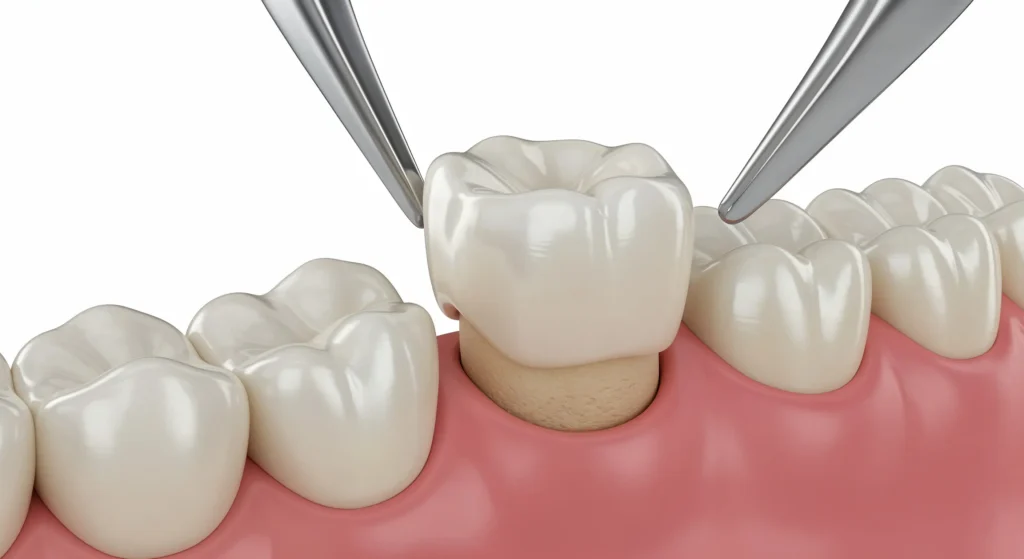
A child’s dental emergency rarely arrives at a convenient time. It happens after school, during a soccer game, on vacation, or ten minutes before bedtime when every office seems closed. One minute your child is fine, the next they are crying, bleeding, or holding a swollen cheek. In that moment, most parents are not looking for the perfect long-term dental home. They need a capable professional, quickly, and they need enough confidence to act without second-guessing every decision.
Finding an Emergency Dentist for a child is partly about speed, but speed alone is not enough. Pediatric cases are different from adult cases. Children are smaller, often frightened, and sometimes unable to describe what hurts. A dentist who treats children regularly tends to spot urgency faster, communicate more clearly with parents, and know how to work around fear, tears, and limited cooperation. That matters as much as office hours.
The challenge is that not every painful dental problem is a true emergency, and not every true emergency should go straight to a dental office. Some cases belong in a hospital emergency department first, especially when breathing, swallowing, facial trauma, or uncontrolled bleeding are involved. Parents need a practical way to sort the situation and move quickly.
Start with one question: is this a dental emergency, a medical emergency, or a problem that can wait until morning?
That first distinction shapes everything that follows. A knocked-out permanent tooth, a broken tooth with significant pain, facial swelling, or trauma involving the mouth often needs same-day dental care. A small chip with no pain may not. A child who falls and has a cut lip plus a loose tooth may need both a dentist and a physician, depending on the injury.
There are a few situations where I would not spend valuable time searching online for an Emergency Dentist before seeking urgent medical help. If your child has trouble breathing, trouble swallowing, swelling that is spreading rapidly, a high fever with facial swelling, heavy bleeding that does not stop with pressure, or a possible jaw fracture after a fall, go to the emergency room or call emergency services. Those are no longer simple dental problems. They can become airway or infection emergencies.
For everything else, the practical goal is to get the child evaluated quickly by the right provider. That might be your own pediatric dentist, a general dentist with emergency slots, a dedicated emergency dental clinic, or an oral surgeon on call.
The first phone call should usually be to your child’s regular dentist
Parents often assume that after-hours care means starting from scratch. In reality, the fastest route is often the practice you already know. Many family and pediatric dental offices maintain recorded after-hours instructions, an emergency pager, or a rotating on-call arrangement. Even when the office is closed, the voicemail may direct you to the dentist’s emergency line or an affiliated urgent clinic.
There is another advantage to calling the regular office first. They already know your child’s dental history. They may know whether a loose front tooth is a baby tooth near natural shedding or a permanent tooth at risk. They may know prior trauma history, orthodontic appliances, sedation needs, or medication allergies. That information can save time and reduce unnecessary treatment.
If you do not have a regular dentist, call a pediatric dental office nearby even if your child has never been seen there. Many practices reserve limited same-day appointments for trauma, swelling, or severe pain. Be direct. Say your child’s age, what happened, when it happened, whether there is swelling or bleeding, and whether the tooth is baby or permanent if you know. A precise description helps the front desk triage appropriately.
Search smarter when you need a new provider fast
A panicked search often leads parents to the first ad they see. That is understandable, but it is not always the safest path. An office can market itself as an Emergency Dentist without being especially equipped for young children. During a true time crunch, parents need a simple filter: availability, pediatric comfort, and clinical fit.
Search for terms like “pediatric dental emergency near me,” “children’s emergency dentist,” or “Emergency Dentist open now.” Then check whether the office website clearly states that it treats children, mentions dental trauma, or lists same-day emergency care. A vague site with no mention of pediatric patients deserves a follow-up call before you drive over.
Reviews can help, but they need to be read carefully. For emergencies, look for comments about responsiveness, after-hours communication, and how staff handled an upset child. A glowing review about cosmetic veneers tells you very little about whether a practice can manage a frightened six-year-old with a cracked molar at 7:30 p.m.
If your child has special healthcare needs, sensory sensitivities, or a strong fear of dental treatment, that should become part of your screening immediately. Some offices are clinically excellent but not set up for behavior guidance, desensitization, or child-centered communication. In a non-emergency visit, you can shop around. In an urgent moment, ask the question directly on the phone.
What the best emergency dental offices do differently for children
Parents often notice skill in small details long before treatment begins. The receptionist does not sound rushed. The office asks the right questions. They tell you whether to bring the tooth fragment, whether your child should eat, and whether to use a cold compress on the way in. They explain fees and timing without sounding evasive. Competence usually shows up early.
A strong pediatric emergency visit is not only about fixing the tooth. It is also about preserving trust. A good dentist will kneel to the child’s eye level, explain what they are doing in plain language, and move efficiently without creating unnecessary alarm. They know that the frightened child in front of them may need future care, and that this one visit can shape years of dental attitude.
Clinically, children also present different judgment calls. A dentist must consider whether the injured tooth is primary or permanent, whether the root is still developing, how trauma may affect the underlying adult tooth, and whether immediate treatment could help or harm. A loose baby tooth, for example, is not managed the same way as a displaced permanent incisor. The distinction is not minor.
The injuries that most often require same-day dental evaluation
Parents do not need to memorize textbooks, but they should recognize the patterns that usually deserve prompt attention. One is trauma. Kids fall. They get elbows to the mouth on the basketball court. They slip in the bathroom, bite down on a hard candy, or take a scooter handlebar to the front teeth. Another common urgent issue is infection, which may show up as severe toothache, gum swelling, cheek swelling, or sensitivity that suddenly escalates.
The following situations usually justify calling for same-day care:
- A permanent tooth is knocked out, pushed out of position, or suddenly very loose after injury.
- There is facial swelling, gum swelling, or severe dental pain that is not improving with basic measures.
- A tooth is broken and the child has pain, bleeding, or sensitivity to air or temperature.
- There is bleeding from the mouth that continues after firm pressure for several minutes.
- Braces, wires, or dental appliances are causing injury that you cannot safely relieve at home.
A knocked-out permanent tooth deserves special urgency. Time matters. If you can find the tooth, pick it up by the crown, not the root. If it is dirty, rinse it gently with milk or saline if available, or very briefly with water if nothing else is on hand. Do not scrub it. Older children and teens may be able to hold the tooth in place in the socket if instructed by a dentist, but many parents are understandably uncomfortable doing that. The safer fallback is to keep the tooth moist in milk or an emergency tooth preservation solution if you have one, then get to the dentist immediately. A knocked-out baby tooth is different. Do not reinsert it, because doing so can harm the developing permanent tooth beneath it.
How to judge whether an office is truly prepared for pediatric emergencies
When you call, ask focused questions and listen not just to the answers, but to how confidently they are given. Offices that handle emergencies regularly tend to answer clearly. Hesitation is not always a red flag, but vagueness can be.
Useful questions include these:
- Do you treat children of my child’s age for dental emergencies?
- Can you see us today, and how soon?
- Do you handle dental trauma such as broken or knocked-out teeth?
- If my child is very anxious, how do you help children get through urgent treatment?
- What should I do before arrival, including food, pain medicine, and what to bring?
Those answers tell you a lot. If the office cannot treat children under a certain age, you know immediately to keep calling. If they do not manage trauma cases, they may refer you elsewhere. If they cannot explain simple pre-visit instructions, they may not be the best fit for a distressed child.
Sometimes the right answer is not a dental office at all. Some larger children’s hospitals have pediatric dental or oral surgery coverage through the emergency department, especially for significant facial trauma, dental abscesses with fever, or injuries needing imaging and multidisciplinary care. Parents should not feel as though choosing a hospital first is overreacting when the situation looks medically complicated. It can be the most efficient route.
Cost matters, especially when the visit is unplanned
Emergency dental care can feel financially disorienting because parents are making decisions under stress. A same-day exam, dental X-rays, temporary treatment, and follow-up can add up quickly. If sedation, extractions, or specialist referral enter the picture, the cost rises further. This is one reason some parents delay the call, hoping the child will improve overnight. Unfortunately, waiting can turn a smaller problem into a more expensive and more painful one.
Before you head in, ask for a rough estimate of the emergency exam and radiographs, and whether treatment is charged separately. Ask whether the office accepts your dental insurance, whether medical insurance may apply if there was an accident, and whether payment plans are available. Trauma from sports, falls, or car accidents sometimes overlaps with medical coverage in ways routine tooth pain does not. The office may not know the final answer, but experienced teams can usually tell you what to ask your insurer.
It is also worth knowing that the least expensive option on the phone is not always the least expensive by the end of treatment. An office that gives a very low exam fee but lacks pediatric expertise may still refer you elsewhere after the first visit. When your child is in pain, a one-stop solution from a qualified provider often saves money, time, and distress.
What parents can do at home while they are trying to find help
The period between the injury and the appointment can feel endless, even when it is only forty minutes. Good home care will not replace treatment, but it can protect the area and make the child more comfortable.
For bleeding, use clean gauze or cloth with steady pressure. For swelling, apply a cold compress on the outside of the face for short intervals. For pain, use age-appropriate over-the-counter medication if your child can take it safely, and follow the label or your physician’s guidance. Soft foods help. Very hot, very cold, and crunchy foods usually do not.
If a piece of tooth broke off, bring it. If an orthodontic wire is poking, orthodontic wax can buy some relief. If there is visible dirt after a fall, a gentle rinse with water is reasonable, but avoid aggressive probing, scrubbing, or repeated touching of the injured tooth. Well-meaning home fixes often make evaluation harder.
One point that surprises many parents is that severe dental pain does not always look dramatic from the outside. A child with no obvious swelling can still have a deep cavity, pulp inflammation, or an abscess forming. If your child is waking at night from tooth pain, refusing to chew, or crying when anything cold touches a tooth, that deserves prompt attention even if the gums look normal.
The difference between baby teeth and permanent teeth changes the plan
Parents often assume that because baby teeth eventually fall out, damage is less important. Sometimes it is less urgent, but not always. Baby teeth hold space, guide speech development, support nutrition, and affect comfort. An infected or traumatized baby tooth can cause real pain and can sometimes damage the adult tooth developing underneath.
That said, treatment goals differ. A knocked-out baby tooth is usually not reimplanted. A dentist may monitor, smooth, seal, extract, or simply observe depending on the child’s age, symptoms, and the nature of the injury. With permanent teeth, there is often a stronger push to preserve the tooth structure and blood supply quickly. Timing becomes more critical.
This is one reason parents should tell the office the child’s age. A loose front tooth in a five-year-old may be a very different situation from a loose front tooth in a ten-year-old. To a worried parent, both look alarming. To a pediatric-trained clinician, the age helps narrow the likely scenario immediately.
Rural areas, weekends, and travel create extra hurdles
Families in smaller towns often face a different problem, not which office to choose, but whether any office is open. In those situations, preparation matters even more. Keep the number of your child’s dentist saved in your phone. Know the nearest urgent dental clinic, children’s hospital, and after-hours pharmacy before you need them. If you travel often for sports tournaments or family visits, spend five minutes locating dental options at your destination. That is time well spent.
When no pediatric office is available, a general dentist who is comfortable with children may be the best immediate option, especially for pain control, temporary stabilization, or initial imaging. If a specialist is needed later, the first dentist can still play a valuable role by reducing pain and preventing further injury.
Weekends also tend to expose a common gap. Many parents discover too late that their usual dentist does not provide after-hours emergency coverage. If you have young children, it is worth asking at a routine cleaning what the office does for emergencies after 5 p.m. And on holidays. That is not a pessimistic question. It is sensible planning.
How to tell whether the emergency has become an infection problem
Dental infections in children can evolve quietly and then accelerate. A mild complaint of “my tooth hurts” on Friday can become visible cheek swelling by Saturday afternoon. If the child develops swelling, increasing tenderness, fever, bad taste in the mouth, pus drainage, or pain that spreads toward the ear or jaw, the urgency rises.
The location of swelling matters. A small bump on the gum near a tooth may indicate a localized abscess that still needs prompt dental treatment. Diffuse swelling in the cheek, under the eye, or under the jaw deserves more caution. If swelling is expanding or the child looks generally unwell, medical assessment may be necessary even before a dental office can intervene.
Parents sometimes ask whether antibiotics alone will solve the problem. Sometimes they are part of treatment, but they are rarely the entire treatment. The source often has to be drained, treated, or removed. A dentist who prescribes medication without a clear plan for the tooth has not finished the job.
Behavior, fear, and communication matter more than most parents expect
A child in dental pain may not behave like themselves. A normally calm child may thrash, cling, refuse to open, or answer every question with tears. That does not https://knoxnvzl809.lucialpiazzale.com/knocked-out-tooth-an-emergency-dentist-explains-the-next-steps mean the visit will fail. It means the team needs child-specific experience.
The best offices prepare for this by adjusting pace and language. They use short explanations. They let the child know what sensation to expect. They tell parents where standing will help and where it may accidentally increase distress. Sometimes they complete only the urgent piece of care and defer the rest until the child is calmer. That is good judgment, not incomplete care.
Parents can help by staying factual and reassuring. Avoid saying “it won’t hurt” if you cannot promise that. Children remember broken promises instantly. Better language sounds like this: “The dentist is going to look carefully and help your tooth feel better.” That keeps trust intact.
Build your emergency plan before you need it
The easiest emergency to navigate is the one you prepared for in advance. Every parent keeps basics at home for fever and scraped knees. Dental emergencies deserve the same treatment. Save your dentist’s number in your favorites. Keep children’s pain reliever, clean gauze, orthodontic wax if your child has braces, and a small container that could hold a tooth fragment. If your child plays contact sports, ask about a well-fitting mouthguard.
At routine visits, confirm whether the office sees after-hours emergencies, whether they refer out, and which hospital they use for more serious cases. If your child has complex medical needs, ask your medical and dental teams which setting is safest for urgent dental treatment. Those conversations are far easier in a calm exam room than in a parking lot after a fall.
Parents should also trust their instincts about pain. Children often minimize symptoms until they cannot anymore. If your child stops chewing on one side, avoids cold drinks, or says a tooth “feels funny” for several days, move sooner rather than later. Plenty of true emergencies start as problems that looked minor at first glance.
The real goal is not just finding any Emergency Dentist, but finding the right one quickly
During a child’s dental emergency, speed is essential, but judgment is what protects the outcome. The right provider is one who can assess urgency accurately, treat children comfortably, and guide parents through the next steps without confusion. Sometimes that is your regular pediatric dentist. Sometimes it is the nearest qualified emergency clinic. Sometimes it is the emergency department because the problem has moved beyond dentistry alone.
What parents need most is a reliable mental framework. Is my child medically stable? Is this likely same-day dental care or hospital-level care? Does this office actually treat children and trauma? What should I do on the way there? Once those questions are answered, the panic tends to ease, and practical action takes over.
No parent handles a bloody lip, a broken front tooth, or a midnight toothache perfectly. Perfect is not the standard. Prompt, informed action is. That is what gets children out of pain, protects developing teeth, and turns a frightening event into a manageable one.
Simple Dental Vermont
Address: 8914 S Vermont Ave, Los Angeles, CA 90044
Phone number: +13239493000
FAQ About Emergency Dentist Los Angeles CA
What can the ER do for a tooth?
The emergency room can provide temporary symptom relief for a bad tooth, such as prescribing pain medicine or antibiotics, but it cannot fix the actual dental problem.
What is the 3-3-3 rule for tooth infection?
The 3-3-3 rule for a toothache or infection typically means taking three 200 mg ibuprofen tablets (600 mg total) three times a day for no more than three days to control pain and swelling while waiting to see a dentist.
What do you do if you have a dental emergency but no dentist?
If you have a dental emergency and no regular dentist, you should search for an urgent care dental clinic, call local walk-in dental offices, or go to a hospital emergency room if you have severe bleeding, swelling, or trouble breathing.