How to Choose the Right Dental Emergency Plano TX Clinic
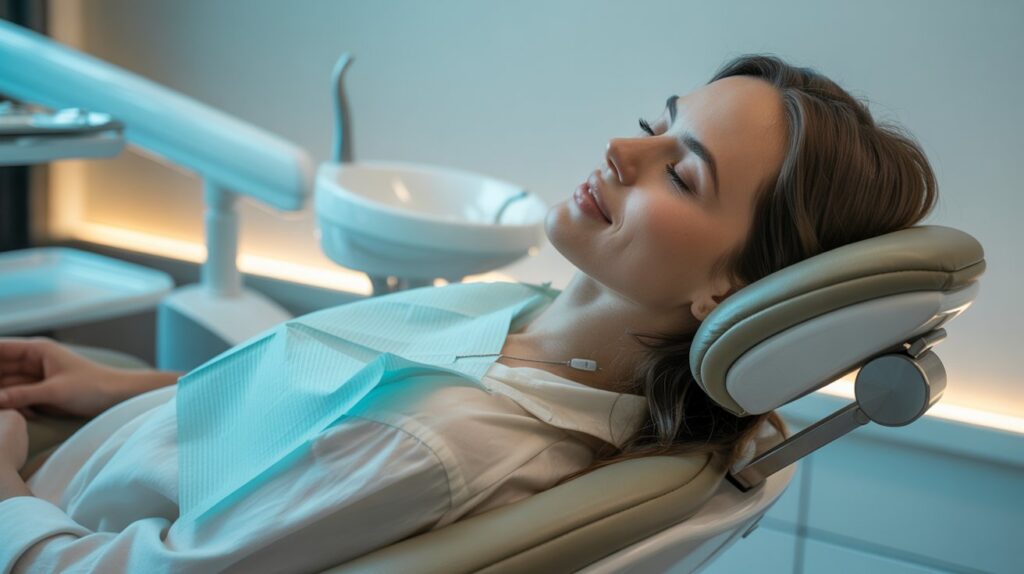
Dental emergencies have a way of turning ordinary days into stressful, time-sensitive problems. A cracked molar during lunch, a child waking up at midnight with facial swelling, a crown slipping off before a business trip, a sports injury that leaves a front tooth loose, each one forces quick decisions. In those moments, people rarely want the nearest clinic at random. They want the right clinic, one that can actually solve the problem, calm the patient, and prevent a bad situation from becoming worse.
That is why choosing a Dental Emergency Plano TX clinic deserves more thought than a hurried online search. Speed matters, of course, but so do judgment, equipment, communication, cost transparency, and follow-through. An emergency dental visit is not just about getting in the chair quickly. It is about getting the right care from the first call onward.
Anyone who has dealt with true dental pain knows the difference between a clinic that is prepared and one that is merely open. The prepared office asks the right questions on the phone, gives practical instructions before you arrive, and makes room for urgent care without treating you like an interruption. The less prepared office often sounds uncertain, offers vague scheduling, and cannot clearly explain whether they handle your specific issue. That difference matters when infection, trauma, or severe pain is involved.
Start with the kind of emergency you actually have
Not every urgent dental problem requires the same skill set or scheduling urgency. A chipped edge on a back tooth feels very different from uncontrolled bleeding after an extraction, and both differ from a knocked-out permanent tooth. The right clinic for one problem may not be the strongest fit for another.
A useful first step is to think in categories rather than symptoms alone. Pain can come from a deep cavity, a cracked tooth, an abscess, a failing root canal, inflamed gums, or a broken restoration. Trauma can mean a tooth is fractured, displaced, or entirely avulsed. Swelling might point to an infection that needs immediate drainage or antibiotics, but it can also signal something more serious if it affects swallowing or breathing.
When patients search for Dental Emergenc services, they often focus on open hours first. That is understandable, but type of treatment matters just as much. If your child fell and a front tooth is loose, you want a clinic comfortable with trauma evaluation and pediatric communication. If half of a molar fractured off and the nerve is exposed, you want a dentist who can quickly assess whether the tooth needs a same-day build-up, extraction, temporary stabilization, or referral to an endodontist. If there is facial swelling and fever, you need a team that understands infection risk and will not downplay systemic signs.
A good emergency clinic will help sort this out on the phone. They should ask when the issue started, where the pain is located, whether there is swelling, whether the tooth was knocked out or broken, and whether there is bleeding, fever, or difficulty opening the mouth. If the person answering seems unable to gather basic details or immediately defaults to "come in whenever," that can be a warning sign. Urgent care requires triage, not just scheduling.
Look at availability, but do not stop there
Extended hours, weekend access, and same-day scheduling are important, especially for working adults and families with children. In a city like Plano, convenience can make the difference between getting treated promptly and postponing care until the problem worsens. Still, "open late" alone does not mean clinically ready.
The better question is this: what can the clinic actually do during that emergency appointment? Some offices can evaluate and stabilize, but major treatment happens later. Others are equipped to provide immediate extractions, temporary crowns, root canal access, repairs for broken teeth, or management of dental infections. Both models can be reasonable, but patients should know the difference before they arrive.
A few practical questions reveal a lot:
- Do you reserve same-day slots for urgent cases?
- Can you take digital X-rays immediately on site?
- Are you able to treat the issue that day if needed, or only diagnose it?
- If the problem requires a specialist, do you coordinate that referral quickly?
- What is your process after hours if symptoms worsen?
Those are not complicated questions, yet many people never ask them. They assume that if a clinic advertises emergency dentistry, complete treatment will happen on the first visit. Sometimes it does. Sometimes the office can only place a temporary filling, prescribe medication if clinically appropriate, and bring the patient back. There is nothing inherently wrong with that, but clear expectations reduce frustration.
In practice, the strongest emergency clinics tend to be the ones that are honest and specific. If a receptionist or treatment coordinator says, "We can usually evaluate and relieve pain today, and if it is something like a fracture below the gumline or a complex molar root canal, the doctor will discuss whether we stabilize it first or refer," that answer is far more reassuring than a generic promise.
Pay attention to the first phone call
The first call often tells you more than the website. Under pressure, systems reveal themselves. A polished homepage can say all the right things, but a real emergency exposes how the office functions minute to minute.
A capable front desk does not need to sound dramatic. They need to sound calm, organized, and informed. They should ask targeted questions, explain what to bring, discuss timing honestly, and give simple care instructions for the drive in. For example, if a permanent tooth has been knocked out, they should explain that time matters and suggest keeping the tooth moist in milk or saline, handling it by the crown rather than the root. If there is swelling and severe pain, they should advise how quickly you need evaluation. If there is bleeding after trauma, they should talk about gauze pressure. These are small moments, but they show whether the team handles emergencies routinely.
I have seen patients choose offices based purely on online ratings, only to discover on the phone that no one could say whether the dentist was even in, whether emergency radiographs were available, or whether the office treated children in urgent situations. A strong clinic communicates clearly before you ever sit down.
Listen for another quality too, judgment. Not every painful dental issue belongs in a standard dental office at that moment. If someone has swelling that threatens the airway, uncontrolled bleeding, facial trauma involving possible jaw fracture, or symptoms that suggest a broader medical emergency, the safest advice may be urgent medical care first. A responsible clinic knows that and says it plainly.
Technology matters when minutes and visibility count
Emergency dentistry relies on examination and imaging. Dentists should not guess about the extent of a fracture, the depth of decay, the spread of infection, or whether a root is compromised. Modern imaging does not guarantee great care, but it does improve speed and accuracy.
Digital X-rays are standard and especially useful in urgent visits because they are fast and can be reviewed immediately. In some cases, additional imaging may help identify hidden fractures, impacted teeth, or the source of unexplained pain. Intraoral cameras can also help patients understand what the dentist sees, which is useful when decisions need to be made quickly.
That said, technology should support clinical judgment, not replace it. A clinic that advertises every device in the building but cannot explain treatment options in understandable terms is not necessarily a better choice than a well-run office with a more modest setup. The key is whether the team can diagnose efficiently and act decisively.
Sedation options may also matter for certain patients. Someone with severe anxiety, a strong gag reflex, or a child in pain may do better in a practice that offers nitrous oxide or other appropriate comfort measures. That is especially true when emergency treatment is likely to take longer than a quick exam.
Evaluate how the dentist explains trade-offs
An emergency visit is rarely just about pain relief. It is often about choosing between imperfect options. Save the tooth now, patch it temporarily, remove it, refer to a specialist, monitor it, or stabilize it until definitive treatment can happen. Good emergency care includes honest discussion of those trade-offs.
Take a cracked molar as an example. One dentist may recommend a temporary build-up and close follow-up because the crack pattern is uncertain. Another may suspect the fracture extends too deep and explain that extraction is likely. Neither approach is automatically wrong. What matters is whether the explanation is grounded in examination findings and whether the patient understands the likely next steps.
The same applies to infections. Sometimes antibiotics are part of treatment, but antibiotics alone do not fix the underlying dental source. A clinic should make that clear. If the problem is an abscessed tooth, definitive treatment usually means drainage, root canal therapy, extraction, or another intervention that addresses the cause. Patients deserve straight talk on that point.
A trustworthy Plano emergency clinic will not oversell ideal solutions when a practical temporary measure is all the situation allows. At the same time, they should not under-treat a serious issue just to move the schedule along. The best dentists in urgent settings balance relief, preservation, safety, and realism.
Cost clarity is part of good emergency care
Pain makes people vulnerable, and money worries often intensify the stress. That is why transparent pricing matters so much during a dental emergency. No clinic can quote every treatment precisely before an exam, but they should be able to explain the likely components of the visit.
At minimum, patients should understand whether there is a separate emergency exam fee, whether X-rays are additional, whether treatment performed the same day is billed separately, and whether insurance will be verified before care if possible. If financing options exist, the office should explain them plainly without turning the conversation into a sales script.
This is where practical experience really matters. A patient with a broken tooth might assume the appointment means "fix it today" for one fee. In reality, there may be an exam charge, radiographs, a sedative if used, and then a restoration, extraction, or temporary procedure depending on the diagnosis. None of that is unreasonable, but surprises create distrust.
A well-run clinic respects the urgency without using it as leverage. You should feel informed, not cornered. If treatment recommendations escalate rapidly into expensive elective upgrades during an emergency appointment, that is a reason to pause and ask more questions.
Location matters more than people admit
Plano is large enough that crossing town in traffic while in severe pain is not trivial. Geography affects outcomes in subtle ways. A clinic ten minutes away can be https://blogfreely.net/andyarwuez/dental-emergency-plano-tx-checklist-for-patients better than the most highly reviewed office forty minutes away if the issue involves trauma, swelling, or a child who is frightened and uncomfortable.
Distance also matters for follow-up. Some emergencies require a second visit within days. Temporary restorations need replacement. Root canal therapy may continue with a general dentist or a specialist. Extractions may need checks if healing is difficult. Choosing a clinic that is easy to reach increases the chances that recommended care actually happens.
That does not mean location should be the only filter. It means proximity is one of several practical considerations. A nearby office with reliable same-day access, clear communication, and solid treatment capacity often outperforms a farther office chosen purely for marketing appeal.
Read reviews like a skeptic, not a fan
Online reviews can help, but they need interpretation. In emergency dentistry, the most useful reviews are not the ones that say only "great staff" or "beautiful office." Look for comments that describe how the clinic handled urgent pain, trauma, scheduling pressure, unexpected costs, or follow-up after treatment.
Patterns tell the story. If multiple reviewers mention that they were seen quickly, had options explained clearly, and felt significant relief the same day, that is valuable. If the office replies professionally to criticism and addresses concerns without defensiveness, that also says something. On the other hand, repeated complaints about bait-and-switch pricing, long waits despite stated emergency scheduling, poor pain control, or rushed communication should not be ignored.
Anecdotes can be especially revealing. For example, if a parent notes that the dentist calmed a frightened child after a sports injury and coordinated next steps carefully, that suggests real-world capability. If a patient mentions being told to come in immediately for a broken front tooth and then waited two hours only to receive a referral elsewhere, that exposes a mismatch between promise and capacity.
Reviews are best treated as supporting evidence, not proof. They should confirm what you already learn from the phone call, the website, and the office policies.
Consider the full patient experience, not just the procedure
Emergency dental care is clinical, but it is also deeply human. Patients in pain do not process information well. Parents of injured children are often anxious. Older adults may need help understanding treatment timing, medications, transportation, or aftercare. The right clinic handles the emotional side without becoming theatrical about it.
Watch for signs of a patient-centered process. Is paperwork streamlined for urgent visits? Does the office explain wait times honestly? Are aftercare instructions specific and written down? Will someone call to check on a difficult extraction, infection, or severe pain case? Those details are easy to dismiss until you need them.
A clinic that treats emergencies well usually has steady internal coordination. The dentist, assistant, and front desk move like a team. You are not hearing three different versions of the plan. The handoff from diagnosis to treatment feels organized. Prescriptions, referrals, payment questions, and follow-up appointments are handled before you leave, not as an afterthought.
Red flags that deserve caution
Sometimes the wrong clinic reveals itself quickly. Patients tend to overlook warning signs because they want fast relief, but a few signals are worth taking seriously.
- No one can tell you whether same-day treatment is even possible
- The office minimizes swelling, trauma, or severe pain without adequate questions
- Pricing is evasive, especially around exam and X-ray fees
- Staff push major elective treatment before addressing the urgent issue
- Follow-up responsibility is left almost entirely to the patient
None of these automatically means the care will be poor, but together they point to weak systems. In urgent dentistry, weak systems create delays, confusion, and unnecessary repeat visits.
Special situations require extra judgment
Some cases deserve additional scrutiny when choosing a Dental Emergency Plano TX clinic. Children are one obvious example. Pediatric emergencies involve different communication needs, behavior management, and dental development considerations. A loose baby tooth after a fall is not the same as trauma to a developing permanent tooth. Offices that routinely treat children will handle these nuances more confidently.
Patients with complex medical histories also need care from a clinic that pays attention. Blood thinners, recent surgeries, immunocompromised status, diabetes, pregnancy, and certain cardiac conditions can affect emergency treatment decisions. A dentist does not need to know every specialty nuance from memory, but they should know when to ask more questions, contact a physician, or adjust the plan.
Then there is the cosmetic emergency, which is real even if it is not always medically urgent. A broken front tooth before a wedding, interview, or public event can feel devastating. The best clinics do not dismiss that just because there is little pain. They balance function, esthetics, and timing, sometimes using a temporary repair to get the patient through the immediate need safely.
Why preparedness beats panic
The best time to choose an emergency dentist is before you need one. That may sound obvious, but few people do it. They wait until a Friday evening toothache or a Sunday sports injury forces a rushed decision. Spending twenty minutes now to identify a likely clinic can save hours later.
Save the clinic's number. Confirm whether they treat both adults and children if that matters to your household. Check which insurance plans they commonly work with. Look at office hours and after-hours instructions. If you have ongoing dental issues, like an old crown that feels unstable or a molar with a large filling, it is even more worthwhile to know where you would go if that tooth flared up.
Preparedness also means knowing a few basic first-aid principles. Severe swelling, trauma involving the jaw, difficulty breathing, or uncontrolled bleeding may require medical attention beyond a dental office. A knocked-out permanent tooth needs urgent handling. A lost filling can often wait a bit longer than spreading facial swelling. The right clinic helps you sort that out quickly, but a little prior knowledge lowers the temperature of the moment.
Choosing well under pressure
When people search for Dental Emergenc care, they often think the choice is between speed and quality. In reality, the strongest emergency clinics deliver both through preparation. They answer the phone intelligently, triage appropriately, examine thoroughly, explain options clearly, and help patients move from pain and uncertainty toward a concrete plan.
That is what you should be looking for in Plano. Not the flashiest marketing, not the broadest promises, and not simply the nearest address. Choose the clinic that shows it can manage urgency with competence. In emergency dentistry, calm systems, honest communication, and sound judgment matter every bit as much as the procedure itself. A clinic that gets those right is the one most likely to help when the situation stops being convenient and starts being real.
Vitality Dental
Address: 1220 Coit Rd #106, Plano, TX 75075
Phone number: +19726454100
FAQ About Dental Emergency Plano TX
What can the ER do for a tooth?
An emergency room (ER) can manage pain and treat severe infections with medication, but it cannot fix or pull a tooth.
What is considered a dental emergency?
A dental emergency is any oral health problem that involves severe pain, uncontrollable bleeding, or an infection that threatens your health or requires immediate care to save a tooth.
Is there a 24-hour dental service in Plano, TX?
There is no physical dental clinic in Plano, Texas, that stays open with walk-in staff 24 hours a day, but several offices offer 24/7 phone support, late-night hours, or same-day emergency care.