Questions to Ask Before Choosing a General Dentist

Choosing a general dentist sounds simple until you try to do it well. Most people do not spend much time thinking about dental care until they need a filling, wake up with a cracked tooth, or realize they have been postponing https://shanelaxk101.urbanvellum.com/posts/how-a-general-dentist-helps-you-maintain-a-lifetime-smile routine visits for years. Then the decision starts to feel more important than expected. You are not just choosing someone to clean your teeth. You are choosing a clinician who may spot early gum disease, monitor bite changes, manage old restorations, advise on cosmetic concerns, and help you avoid larger problems later.
A good fit can make dental care feel manageable, even reassuring. A poor fit can lead to confusion, overtreatment, undertreatment, or simply the kind of stress that causes people to skip appointments. The difference often comes down to the questions you ask before you book the first exam.
Some patients focus only on location or whether the office takes their insurance. Those matter, but they are rarely enough. A short commute does not help much if the practice is impossible to reach by phone, pushes treatment without explanation, or has no plan for emergencies. On the other hand, a slightly longer drive can be worthwhile if the dentist communicates clearly, respects your budget, and has a steady, competent team.
The most useful questions are the ones that reveal how the practice works in real life. Not what the website promises, but what happens when you need a same-day appointment, have dental anxiety, or want a second explanation before agreeing to a crown.
Start with the dentist’s approach, not just their credentials
Licensure is the baseline. Any practicing general dentist should meet state licensing requirements. What you want to understand is how they think about care. Some dentists are conservative and prefer to monitor small issues before recommending intervention. Others are more proactive and may suggest treatment earlier. Neither approach is automatically wrong, but the dentist’s philosophy should match your comfort level and oral health needs.
A useful question is: how do you decide when a cavity needs treatment versus monitoring? The answer can tell you a great deal. A thoughtful dentist will talk about cavity depth, location, risk factors, whether the lesion is active, and the patient’s history. A vague or overly simplistic answer should give you pause.
It also helps to ask whether the dentist sees patients of all ages, or mainly adults. A true family practice may be convenient if you want one office for everyone in the household. Still, convenience should not override clinical fit. Some general dentists are excellent with children, while others accept pediatric patients but do not have a style or office setup that makes younger patients comfortable.
If you have specific concerns, ask directly. A patient with frequent grinding, for example, should ask how the dentist evaluates wear patterns and jaw symptoms. Someone with a history of gum disease should ask how periodontal maintenance is handled. A person with several old crowns or fillings should ask how the dentist tracks restorations over time and decides when replacement is really needed.
Ask how new patients are evaluated
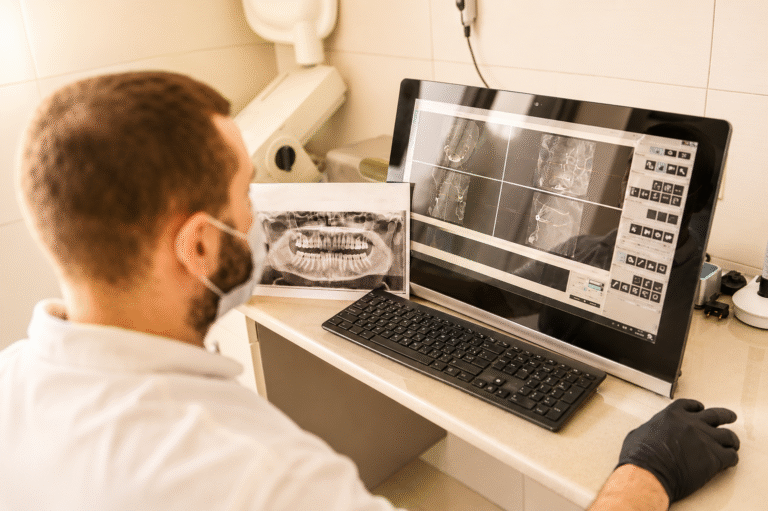
A first appointment tells you a lot about whether the practice is thorough. The question is not whether they take X-rays at the first visit, but why, how often, and what they are looking for. Good dental care depends on context. A patient with very low decay risk and regular care may need less frequent imaging than someone with a long gap in treatment, recurring decay, or a history of root canals.
Ask what a comprehensive new patient exam includes. In many solid practices, that first visit may cover a review of medical history, oral cancer screening, gum measurements, bite evaluation, restorative charting, and diagnostic imaging where appropriate. If all you hear about is a quick cleaning and polish, that is not necessarily enough, especially if you have not had dental care in years.
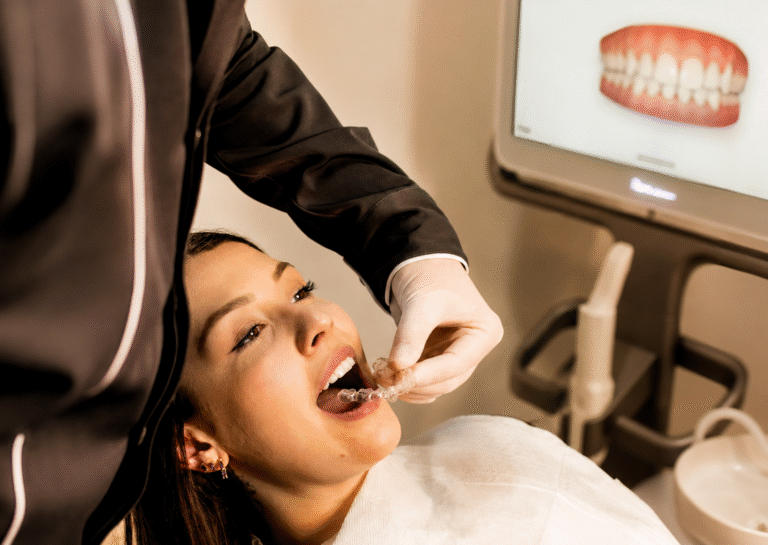
This is also the moment to ask how findings are explained. Some practices do an excellent job showing intraoral photos, radiographs, or scans so patients can see what the dentist sees. That can reduce confusion and make treatment recommendations easier to understand. Other offices move quickly, use technical language, and leave patients nodding along without real clarity. Dentistry is full of terms that sound obvious in the operatory but feel obscure once you leave. A dentist who explains things well saves patients from a great deal of uncertainty.
One patient I know changed practices after years at an office where every visit ended with a recommendation but no visual explanation. At the new office, the dentist pulled up close-up images of a cracked molar and pointed out the exact line where the fracture was spreading. The treatment plan did not change much, but the patient’s confidence did. That matters.
The financial conversation should be clear, early, and specific
Cost is one of the main reasons people delay care, yet many patients feel uncomfortable bringing it up. It is better to discuss money before treatment starts than after a procedure is complete. A professional office should be able to explain fees, insurance estimates, payment expectations, and alternatives without making the patient feel awkward.
Ask whether the practice is in-network with your plan, but do not stop there. Dental insurance often covers less than patients assume. Annual maximums can be modest, waiting periods may apply, and coverage rules vary. A practice that says, “We take your insurance,” has not actually answered the important question, which is what your likely out-of-pocket costs will be.
Also ask how treatment plans are presented. Will you receive a written estimate? Are phased options discussed if multiple procedures are needed? Can less urgent work be sequenced over time? An ethical practice usually has no trouble talking through priorities. If everything is presented as equally urgent, or if financial pressure shows up before clinical explanation, that is worth noticing.
A few practical questions can save frustration later:
- How are treatment estimates prepared, and how close are they usually to the final bill?
- If insurance pays less than expected, how is that handled?
- Are there payment plans for larger cases?
- Is there a fee for missed appointments or late cancellations?
- Can treatment be divided into stages if budget is a concern?
These are not aggressive questions. They are normal consumer questions in a healthcare setting, and a well-run office should answer them with ease.
Hygiene care tells you a lot about the practice
People often choose a dentist and stay for the hygiene team, or leave because of it. The hygienist may be the team member you see most consistently over the years. Their skill, gentleness, and attention to preventive care will shape your experience more than many patients realize.
Ask whether routine cleanings are typically done by a hygienist or the dentist, and how much time is scheduled. A rushed 30-minute appointment for a patient with heavy tartar buildup, gum inflammation, and overdue X-rays is not a sign of thoughtful care. At the same time, more time is not always better if the appointment is poorly organized. What matters is whether enough time is set aside for the patient’s actual needs.
It also helps to ask how gum disease is diagnosed and managed. Many adults assume every cleaning is the same. It is not. A standard preventive cleaning and periodontal maintenance are different services with different clinical purposes. Patients with a history of periodontitis need a practice that monitors pocket depths, bleeding, recession, and bone support carefully over time.
If you are prone to sensitivity, ask what the office does to make cleanings more comfortable. Some use numbing gels or desensitizing approaches for sensitive areas. Others adjust instruments, pacing, or polishing technique. These details may seem small, but they often determine whether a patient returns on schedule or starts delaying visits again.
Learn how the office handles emergencies
Dental emergencies have a way of testing whether a practice is merely pleasant or truly reliable. A chipped front tooth before a wedding, a sudden abscess over a holiday weekend, or severe pain that starts at night changes the stakes immediately.
Ask what happens if you call with an urgent problem. Is there time reserved in the schedule for emergencies? Will you speak to a clinical team member? Is there after-hours guidance? If you are an established patient, can you usually be seen the same day or the next day? Not every emergency can be definitively treated in one visit, but every patient deserves timely triage and a clear plan.
This issue matters even more if you have a complex dental history. Patients with root canals, implants, bridgework, or heavy grinding are statistically more likely to run into occasional urgent problems. Knowing how the office responds can spare you a frantic search when you are already in pain.
I have seen patients stay loyal to a practice for years because of one emergency handled well. A dentist who calls back promptly, explains the likely cause, prescribes appropriately when indicated, and creates a path to care earns trust quickly. The opposite is also true. An office that disappears when things get complicated usually reveals a deeper weakness in systems and accountability.
Ask what the dentist does personally, and what gets referred out
A general dentist can often provide a wide range of care, including fillings, crowns, preventive services, night guards, and sometimes extractions, root canals, implant restoration, or cosmetic work. But scope varies. Some dentists enjoy doing a broad range of procedures. Others refer out anything beyond routine restorative care. Again, neither is inherently better. What matters is skill, judgment, and honesty.
Ask which procedures are commonly done in-house and which are typically referred to specialists. If you know you may need wisdom tooth evaluation, orthodontic advice, periodontal treatment, or endodontic care, ask how those decisions are made. A confident, ethical dentist will be comfortable saying, “I handle these cases, but I refer those.”
This can be especially important for patients who have had uneven dental experiences in the past. There is a difference between a general dentist who has years of success with straightforward molar root canals and one who attempts difficult cases that would be better served by an endodontist. The best clinicians usually know their limits clearly.
You can also ask how the practice coordinates referrals. Do they simply hand you a name, or do they send records, communicate with the specialist, and help integrate the result into your ongoing care? A good referral network often reflects a strong local professional reputation.
Technology is useful, but only if it improves care
Patients are often impressed by digital scanners, 3D imaging, same-day crowns, or advanced camera systems. Some of this technology genuinely improves diagnosis, comfort, or efficiency. Some of it is simply modern branding. The presence of new equipment should not be mistaken for evidence of better judgment.
A smarter question is: how does this technology help in my care? If a practice offers digital impressions instead of traditional trays, that may improve comfort and reduce remakes. If they use cone beam imaging, there should be a clear clinical reason, since not every patient needs that level of imaging. If they promote same-day restorations, ask whether all cases are suitable for that approach or whether some are better handled through a lab.
Technology should support decision-making, not replace communication. A dentist who relies on a scan but cannot explain what it means is no more reassuring than one using older methods poorly. Patients do best when the clinician can connect the tool to the diagnosis, the treatment plan, and the likely outcome.
Personality fit is not a small thing
Many patients downplay this part because they think it sounds subjective. It is subjective, and it still matters. You are trusting this person with your health, your time, and often your vulnerability. If the dentist rushes, interrupts, talks down to you, or seems irritated by questions, the relationship will wear thin fast.
Ask yourself after the first interaction whether the office feels organized and respectful. Were you greeted promptly? Did anyone verify your medical history carefully? Did the dentist sit down and talk, or remain standing at the doorway while speaking in shorthand? Were options explained neutrally, or was there pressure attached?
Patients with dental anxiety should be especially direct. Ask what the office does for anxious patients. Some dentists are genuinely excellent in this area. They pace appointments carefully, explain each step before it happens, agree on stop signals, and avoid judgmental language. Others say they are “great with nervous patients” but offer little beyond casual reassurance. Those are not the same thing.
If you have had negative experiences before, say so. A competent, emotionally attuned dentist will not take offense. They will usually appreciate the insight because it helps them tailor the visit.
Watch for signs of overtreatment and undertreatment
One of the hardest parts of choosing a general dentist is that most patients are not in a position to judge the technical side of a treatment plan immediately. That is why communication patterns matter so much. Extreme recommendations at either end deserve scrutiny.
A new patient exam that produces a very large treatment plan is not automatically inappropriate. Some people really do have years of deferred care. At the same time, if every old filling supposedly needs replacement, every mildly worn tooth needs a crown, and every stain is framed as urgent, slow down and ask questions. Request images. Ask what happens if a particular issue is monitored for six months. Ask which items are most time-sensitive and why.
Undertreatment can be just as damaging. A dentist who repeatedly “watches” obvious decay, ignores signs of grinding, or glosses over bleeding gums may feel pleasantly non-pushy in the moment, but that approach can create larger problems later.
A balanced dentist usually sounds measured. They can distinguish between what needs attention now, what should be planned soon, and what can reasonably be observed.
Online reviews help, but patterns matter more than stars
Reviews can be useful if you read them carefully. A long run of comments mentioning kindness, clear explanations, and punctuality may tell you something real about the patient experience. A practice with only vague five-star praise and no specifics tells you less.
Look for patterns instead of isolated complaints. Every busy office will eventually have a patient upset about billing, wait times, or discomfort during a procedure. What matters is whether the same problem appears repeatedly. Several reviews mentioning surprise charges, aggressive treatment pressure, or poor follow-up deserve attention.
Still, reviews should never be your only filter. Some of the best dentists are not heavily marketed online, and some heavily reviewed offices invest more in customer acquisition than continuity of care. Use reviews as one data point, then verify through direct questions.
A short first call can reveal a lot
Before committing to a full exam, call the office. The front desk often reflects the culture of the practice more clearly than the website does. You do not need an interrogation, just a concise conversation that tests responsiveness and clarity.
You might ask:
- Is the dentist currently accepting new patients?
- How long is a first visit, and what does it usually include?
- If I have anxiety or a past bad experience, how should I let the team know?
- How soon could I be seen for a broken tooth or sudden pain?
- Will I receive a written treatment estimate before major work is scheduled?
The tone of the answers matters as much as the content. Warmth without competence is not enough, but neither is efficiency delivered with indifference.
Think beyond the first filling or cleaning
The better question is not, “Can this dentist clean my teeth next Tuesday?” It is, “Do I want this practice involved in my care over the next five or ten years?” Teeth age. Fillings fail. Gums change. Health conditions shift. Medications dry the mouth. Stress leads to clenching. Pregnancy can alter oral health patterns. Retirement can change insurance and scheduling needs. Good dental care is longitudinal.
That long view is why consistency matters. A strong general dentist keeps records carefully, tracks changes over time, remembers your risk factors, and helps you make sensible decisions before small issues become major ones. They do not need to be flashy. They need to be steady, observant, and trustworthy.
The right choice is often obvious in retrospect. You leave the consultation understanding your oral health better than when you walked in. You know what needs treatment, what can wait, and what it will likely cost. The office does not feel chaotic. The team speaks to one another with professionalism. Your questions are met with real answers, not polished deflections.
That is the standard worth looking for. Not perfection, not luxury, not marketing gloss. Just a capable general dentist and a practice that treats patients with clarity, skill, and good judgment.
Smyle Dental Newhall
Address: 23754 Newhall Ave, Santa Clarita, CA 91321
Phone number: +16612559200
FAQ About General dentist
What does it mean by general dentist?
A general dentist is your primary dental care provider. They focus on the overall prevention, diagnosis, and treatment of your daily oral health needs. Think of them as your primary care doctor, but for your teeth and gums.
What is the difference between a dentist and a general dentist?
A dentist is a broad professional title for any licensed oral healthcare provider, while a general dentist is a specific type of primary care dentist who focuses on routine, preventive, and everyday treatments.
What is the difference between a dentistry practitioner and a dentist?
A dentist is a licensed doctoral-level healthcare professional, whereas a dental practitioner is a broader umbrella term that can include dentists as well as other trained oral health professionals.